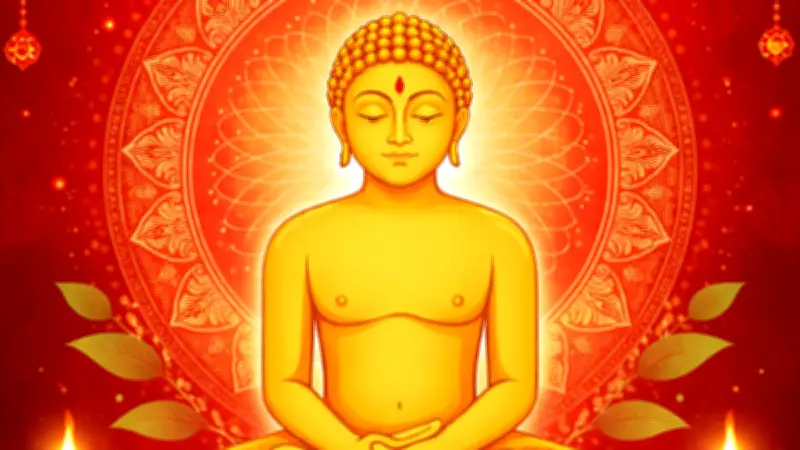
Mahavir Jayanti 2026: A Deep Dive into Date, Teachings, and Significance
Mahavir Jayanti, the auspicious birth anniversary of Lord Mahavira, the 24th and last Tirthankara of Jainism, is a cornerstone festival for the Jain community worldwide. In 2026, this sacred occasion will be observed with profound reverence, marking a time for spiritual reflection and adherence to the timeless principles he espoused. This article provides a comprehensive overview of the Mahavir Jayanti 2026 date, the core teachings of Lord Mahavira, and the deep-seated significance of this festival.
Mahavir Jayanti 2026 Date and Observance
Mahavir Jayanti is celebrated on the thirteenth day of the Chaitra month in the Hindu lunar calendar, which typically falls in March or April of the Gregorian calendar. In 2026, Mahavir Jayanti is expected to be observed on Tuesday, March 31, 2026. However, it is crucial to note that the exact date may vary slightly based on regional lunar calculations and astrological alignments, so followers often consult local religious authorities for confirmation.
The day is marked by a series of devout activities. Jains visit temples to offer prayers, participate in processions carrying idols of Lord Mahavira, and engage in charitable acts such as donating food and essentials to the needy. Many devotees also observe fasting, recite sacred texts like the Kalpa Sutra, and meditate to honor his life and teachings. The atmosphere is one of piety and communal harmony, emphasizing non-violence and compassion.

Core Teachings of Lord Mahavira
Lord Mahavira's teachings form the bedrock of Jain philosophy, centered on the pursuit of spiritual liberation through ethical conduct and self-discipline. His key principles include:
- Ahimsa (Non-Violence): The foremost tenet, advocating absolute non-violence in thought, word, and deed toward all living beings.
- Satya (Truthfulness): Emphasizing honesty and integrity in all aspects of life.
- Asteya (Non-Stealing): Encouraging respect for others' property and avoiding theft.
- Brahmacharya (Chastity): Promoting self-restraint and purity in conduct.
- Aparigraha (Non-Attachment): Teaching detachment from material possessions to reduce desires and achieve inner peace.
These teachings, collectively known as the Five Great Vows (Mahavratas), guide Jains toward a life of simplicity, compassion, and spiritual growth. Lord Mahavira also emphasized the concepts of karma, reincarnation, and the importance of self-effort in attaining moksha (liberation).
Significance of Mahavir Jayanti
Mahavir Jayanti holds immense spiritual and cultural significance, serving as a reminder of Lord Mahavira's profound impact on humanity. Key aspects of its importance include:
- Celebration of Enlightenment: It commemorates the birth of a spiritual luminary who renounced worldly pleasures to seek and propagate the path to liberation.
- Promotion of Universal Values: The festival reinforces values like non-violence, tolerance, and environmental consciousness, which are relevant in today's global context.
- Cultural Heritage: It preserves and promotes Jain traditions, rituals, and community bonds through collective observances.
- Inspiration for Modern Life: Lord Mahavira's teachings offer guidance on ethical living, mental well-being, and sustainable practices, resonating with contemporary issues.
In essence, Mahavir Jayanti is not just a religious event but a beacon of wisdom that inspires millions to lead a life of virtue and harmony.
Conclusion
Mahavir Jayanti 2026, anticipated on March 31, is a pivotal occasion for Jains and spiritual seekers alike. By understanding its date, embracing the teachings of Lord Mahavira, and recognizing its significance, individuals can appreciate the festival's role in fostering peace and ethical conduct. As we approach this day, let us reflect on the timeless messages of non-violence and compassion that continue to illuminate paths toward a better world.