Makar Sankranti Arrives with Vibrant Celebrations Across India
The colorful festival of Makar Sankranti has arrived. This important Hindu festival celebrates the sun's movement into the zodiac sign of Capricorn, known as Makara. People observe Makar Sankranti on January 14th or 15th each year. The date follows the Hindu solar calendar.
A Festival Marking Seasonal Change
Makar Sankranti primarily functions as a harvest festival. It welcomes the arrival of spring and bids farewell to the winter solstice. The occasion signifies the sun's northward journey. This transition brings longer daylight hours to the northern hemisphere.
Sky-High Traditions: The Joy of Kite Flying
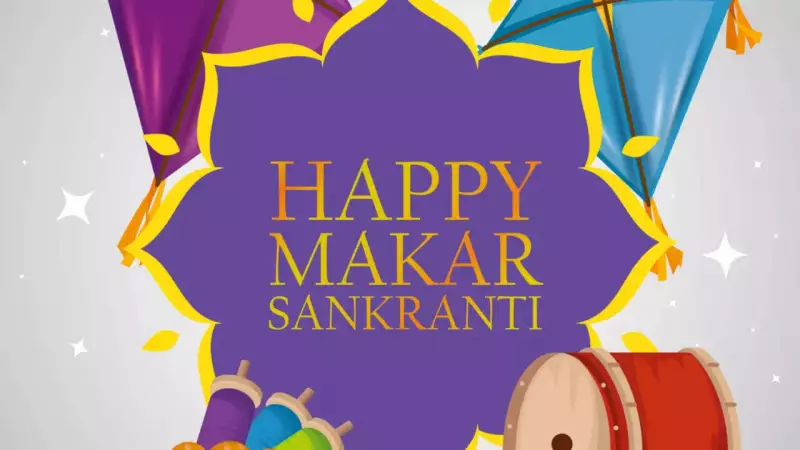
One beloved tradition defines Makar Sankranti in many regions. In states like Gujarat and Maharashtra, people enthusiastically fly kites. Families and friends gather on rooftops and open grounds. They compete to cut the strings of each other's kites. The sky fills with colorful kites, creating a spectacular sight.

Religious Significance and Holy Rituals
Beyond its agricultural roots, Makar Sankranti holds deep religious meaning. Devotees perform sacred rituals on this auspicious day. Many take holy baths in rivers such as the Ganges. They offer prayers to Surya Devta, the Sun God.
Believers think a dip in holy waters on Makar Sankranti cleanses sins. It also promises salvation. People practice charity by donating food, clothes, and money to those in need. They seek divine blessings through these acts of kindness.
Sun Temple Visits and Puja Observances
Devotees worship the Sun God with special pujas. They visit Sun Temples across the country. The famous Konark Sun Temple in Odisha attracts huge crowds. Other temples also host grand celebrations.
Notable temples include:
- Jagannath Temple in Puri
- Hatakeshwar temple at Atri in Khordha district
- Dhabaleswar Temple in Cuttack
- Makara Muni temple in Balasore
A Feast of Regional Delicacies
Like all Indian festivals, Makar Sankranti features special foods. Each region prepares unique sweets and savory dishes. In Maharashtra, people make and exchange tilgul. These are laddoos made from sesame seeds and jaggery.
Other popular festival foods include khichdi and chikki. Chikki is a sweet treat combining peanuts and jaggery. Families consume these dishes as part of traditional rituals.
Traditional Makar Sankranti Foods Across India
Dahi Chura: This porridge-like dish uses soaked flattened rice, curd, and jaggery or sugar. It is a traditional Makar Sankranti meal.
Til Laddoo: These bite-sized sweets contain sesame seeds and jaggery. They provide warmth and taste delicious.
Gajak: This crunchy treat combines jaggery and peanuts. Jaggery, known as Gur, is considered highly auspicious during the festival.
Makara Chaula: This Odia dish uses freshly harvested rice. It includes jaggery, milk, bananas, and sugarcane. Families first offer it to God as bhog, then distribute it as prasad.
Puran Poli: This Maharashtrian delicacy features wheat flour dough. It has a sweet stuffing of cooked chana or moong dal seasoned with jaggery.
Khichdi: This staple lunch dish on Makar Sankranti uses moong dal, toor dal, and rice. It tastes best with a generous dollop of ghee on top.
Pinni: This Punjabi classic treat contains ghee and roasted dry fruits. It has a base of wheat flour with sugar or jaggery.
Mixed Pakoda: This savory delight features vegetables like potato, eggplant, and cauliflower. It has an outer coating of gram flour. People often serve it with green chutney alongside khichdi.
Undhiyu: Gujaratis cook this popular dish on Makar Sankranti. It contains a mix of vegetables like potatoes, brinjal, and peas. Flavorful spices enhance its taste.
Sakkar Pongal: This popular rice-based dish uses rice, moong dal, and jaggery. Many South Indian families prepare it for the festival.
Ven Pongal: This breakfast dish from South India contains rice, moong dal, coconut, and cashews. Curry leaves and ghee add rich flavor.

Makar Sankranti brings communities together through shared traditions. The festival combines spiritual observance, joyful activities, and culinary delights. It highlights India's rich cultural diversity while celebrating nature's cycles.