The dawn of the new year heralds the arrival of India's most cherished winter harvest festivals. In 2026, the nation will come together to celebrate Makar Sankranti on January 14. This vibrant festival, known as Pongal in the South and Bhogali Bihu in Assam, is celebrated with immense fervour across the country's diverse landscape.
The Spiritual Significance of Makar Sankranti
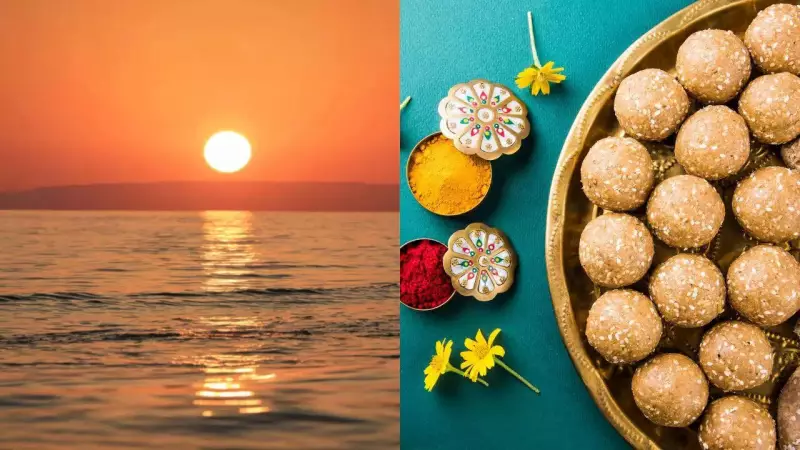
This festival is deeply rooted in Vedic traditions and marks the sun's auspicious transition into the zodiac sign of Capricorn. This celestial movement is believed to usher in a wave of positivity, prosperity, and abundance. It is considered an ideal period for spiritual renewal and setting intentions for the year ahead. A central ritual of the day involves acts of charity, especially during the Punya Kaal, the most auspicious time post the Sankranti moment at 3:13 PM. Donating specific items during this window is thought to purify karma, attract divine blessings, and ensure material and spiritual gains.
Most Auspicious Foods to Donate for Good Fortune
According to Hindu scriptures, donating certain foods to priests, the needy, or animals aligns with dharma and acts as a powerful magnet for wealth and harmony. Here are the key items believed to amplify luck this Makar Sankranti.

Sesame Seeds (Til): Renowned for their warming properties that counter winter chills, sesame seeds are considered a prime donation. Offering black or white til during morning rituals or Punya Kaal is believed to appease Lord Shani (Saturn), potentially removing life's obstacles and inviting financial stability and career advancement. Scriptures also associate til with prosperity and immortality.
Jaggery (Gud): This natural sweetener, a product of the sugarcane harvest, symbolizes sweetness and abundance. Donating jaggery on Sankranti is said to help balance pitta dosha, foster sweetness in relationships, and boost overall health. It is also linked to receiving blessings from Goddess Lakshmi, attracting wealth and luxury. Donating gud-til laddoos during Punya Kaal is specifically recommended for boosting luck in business ventures.
Wheat Grains: A symbol of sustenance and fertility, donating whole wheat grains invokes steady growth and family well-being. The ideal time for this donation is in the afternoon, after the Sankranti bath. This act is believed to pacify planetary positions, reduce malefic influences, and open doors to new financial and agricultural opportunities.
Corn (Makka): Considered auspicious for honouring the harvest deity Surya, donating corn is thought to amplify solar energies, enhancing leadership qualities and vitality. When distributed during evening rituals or to the underprivileged in Punya Kaal, it is believed to help clear ancestral debts (pitru rin) and pave the way for professional success.
Celebrating Unity in Diversity
From the kite-filled skies of North India to the pot-boiling ceremonies of the South and the bonfires of Assam, Makar Sankranti 2026 on January 14th stands as a powerful testament to India's cultural unity. By incorporating these traditional acts of donation, devotees seek not just personal prosperity but also contribute to a cycle of generosity and community welfare, truly embodying the spirit of this sun-filled festival.