Makar Sankranti arrives every year on January 14th. This vibrant festival celebrates the harvest season across India. People know it by different names in various states, reflecting the country's rich cultural diversity.
Different Names, One Celebration
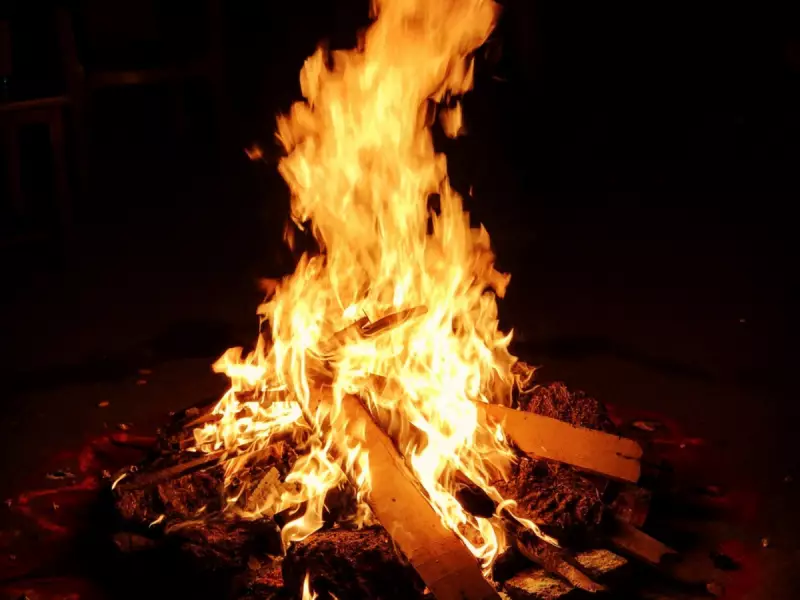
In Tamil Nadu, people call it Pongal. Punjab celebrates Lohri with great enthusiasm. Gujarat refers to it as Uttarayan, while Assam knows it as Bhogali Bihu. West Bengal marks the day as Poush Sangkranti. Despite these varied names, the core spirit of thanksgiving and joy remains the same everywhere.
How Indians Celebrate Makar Sankranti
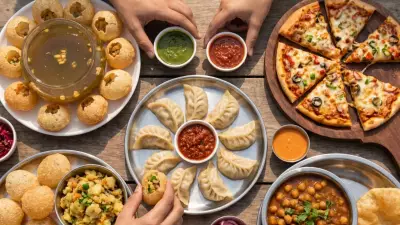
Families decorate their homes beautifully for this occasion. Many people fly colorful kites that dot the sky. Communities light bonfires in the evening, especially in northern regions. Special fairs spring up across towns and villages. Cooking traditional delicacies forms a central part of the festivities.

The festival holds deep astronomical significance. It marks the first day when the sun enters the zodiac sign of Capricorn, called 'Makar rashi' in Hindi. This transition signals the start of longer days ahead. Indian culture considers this period highly auspicious, representing new beginnings and positive energy.
Sharing Warm Wishes for Makar Sankranti 2026
People exchange heartfelt messages during this festival. They wish prosperity and happiness to loved ones. Many quotes emphasize flying high like kites and embracing sweetness in life. Traditional greetings often mention seasonal treats like jaggery, sesame seeds, and peanuts.
The festival symbolizes the sun's northward journey, called Uttarayan. This movement represents progress toward greater heights and success. Families gather to share special meals and strengthen bonds. The aroma of traditional foods fills homes with warmth and nostalgia.
Makar Sankranti 2026 promises to bring communities together once again. The festival continues to embody India's agricultural heritage and cultural unity. Its celebrations adapt to modern times while preserving ancient traditions that have endured for generations.