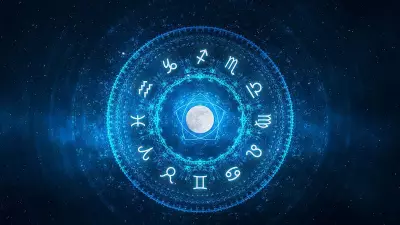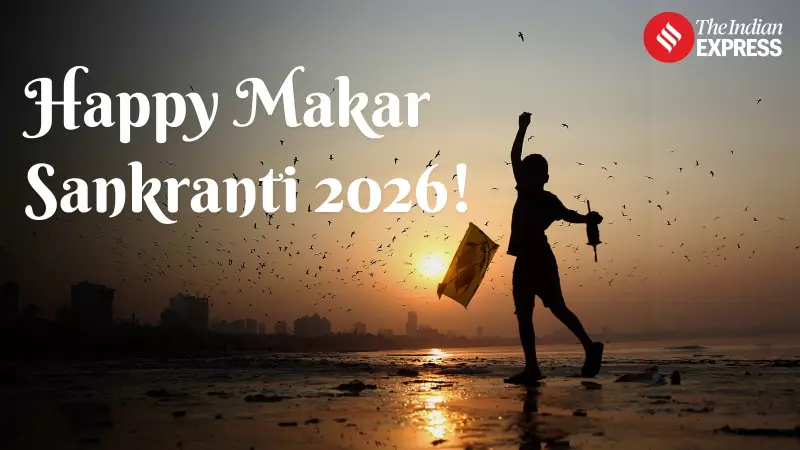
One of India's most vibrant and spiritually significant festivals, Makar Sankranti, is set to be celebrated on Wednesday, January 14, 2026. This auspicious day marks the sun's celestial transition into the zodiac sign of Capricorn (Makara), heralding the end of the winter solstice and the beginning of longer, warmer days. The precise moment of this transition, known as the Makara Sankranti Moment, is at 3:13 PM on that day.
Makar Sankranti 2026: Auspicious Timings and Observances
According to Drik Panchang, the specific auspicious time windows for performing rituals on Makar Sankranti 2026 are clearly defined. Devotees keen on earning spiritual merit should note the following periods:
The Makara Sankranti Punya Kala, the general auspicious window, extends from 3:13 PM to 5:45 PM.

For those seeking the most potent time for sacred acts, the Makara Sankranti Maha Punya Kala is a shorter, highly auspicious period from 3:13 PM to 4:58 PM.
The pivotal Makara Sankranti Moment itself occurs at 3:13 PM, marking the exact second of the sun's entry into Makara rashi.
The Deep-Rooted History and Spiritual Significance
Makar Sankranti, also widely known as Uttarayan, is far more than a seasonal change; it is a mid-harvest festival steeped in mythology and devotion. The festival honours Lord Surya (the Sun God) and is considered one of the most auspicious occasions in the Hindu calendar.
Its origins are traced to a tale from Hindu mythology where a deity named Sankranti vanquished the demon Sankarasur on the day following Makar Sankranti, a day known as Karidin or Kinkrant. This victory of light over darkness symbolically aligns with the sun's northward journey, bringing more light into the world.
The day is profoundly significant for spiritual cleansing. A holy dip in sacred rivers like the Ganga, Yamuna, Godavari, Krishna, or Kaveri at sunrise is believed to wash away sins and bestow blessings for the new cycle. Following the bath, prayers, chanting, and offerings to Lord Surya are performed.
Rituals, Celebrations, and the Spirit of Giving
The celebrations of Makar Sankranti are as diverse as India itself, yet united by common themes of gratitude, charity, and joy. The primary rituals include:
Holy Dip (Snan): Devotees wake up before dawn to take a ritual bath in a river or at home, offering prayers to the sun.
Dana-Punya (Charity): Giving to the less fortunate is considered especially meritorious on this day. Donations of food, clothes, and essentials are made to generate positive karma.
Feasting and Traditional Foods: The festival is synonymous with sweets made of jaggery and sesame, like tilgul and gajak, which symbolize warmth and togetherness. In many regions, a special khichdi is prepared.
Kite Flying: Particularly in Gujarat and other western states, the sky comes alive with colourful kites, a joyful celebration of the Uttarayan winds.
As the sun begins its northward journey on January 14, 2026, Makar Sankranti serves as a powerful reminder of the cyclical nature of life, the importance of purity, and the universal duty of sharing one's bounty with others.