Mauni Amavasya 2026: A Sacred Day for Spiritual Renewal
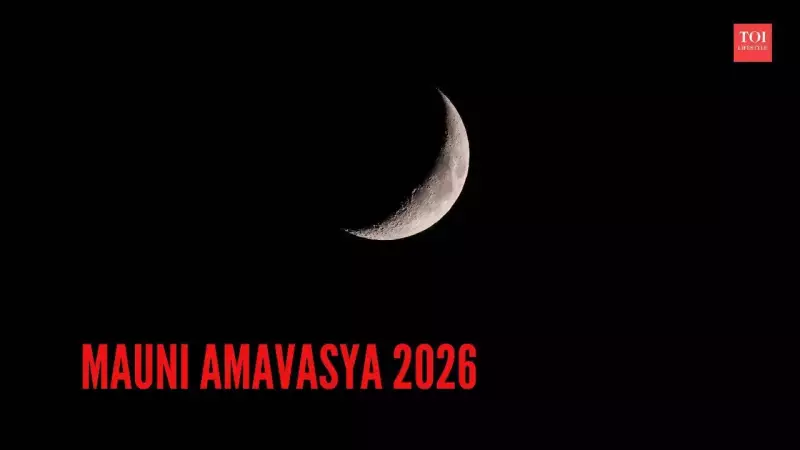
Mauni Amavasya stands as one of the most auspicious dates in the Hindu calendar. Devotees across India observe this holy day with deep reverence and traditional practices. In 2026, Mauni Amavasya falls on Sunday, January 18th. This day offers a powerful opportunity for inner reflection and spiritual purification.
Understanding Mauni Amavasya
The term "Mauni" derives from "Mauna," which means silence. "Amavasya" refers to the new moon phase. Together, they signify a day dedicated to quiet contemplation and cosmic alignment. Many people also call this occasion Magha Amavasya because it occurs during the Hindu lunar month of Magha.
This day holds profound symbolic power in Vedic traditions. It opens up cosmic energies that facilitate spiritual cleansing. Followers engage in rituals to honor ancestors and seek divine blessings.

Date and Timings for 2026
Mauni Amavasya will be observed on January 18, 2026. According to Drik Panchang, the Amavasya tithi begins at 12:03 AM on January 18. It concludes at 1:21 AM on January 19. Since the tithi starts early on January 18, that date serves as the principal day for ritual observance.
Why Mauni Amavasya Matters
This day carries immense spiritual significance for several reasons:
- Spiritual Cleansing and Inner Growth: Mauni Amavasya provides an ideal time for inward reflection. Observing silence, known as maun vrat, helps devotees quiet their minds. This practice removes negative influences and fosters mental clarity.
- Honoring Ancestors: The day focuses on Pitru rituals, including Pitru Tarpan. These rites pay tribute to past generations. Devotees believe such practices bring ancestral blessings and relieve karmic obstacles.
- Purification Through Holy Baths: Taking a dip in sacred rivers like the Ganga remains a core practice. This holy bath washes away sins and accrues religious merit. In Prayagraj, millions gather at the Triveni Sangam for this ritual during the Magh Mela.
- Astrological Significance: The conjunction of the Sun and Moon on Mauni Amavasya holds great importance in Hindu astrology. This alignment amplifies spiritual energies. Performing spiritual activities on this day yields multiplied benefits.
The Practice of Silence
Silence forms the heart of Mauni Amavasya. The word "Mauni" itself emphasizes this practice. Maintaining silence helps devotees conserve energy and enhance focus. The new moon phase supports deep meditation and mental localization. By speaking less or not at all, worshipers distance themselves from negativity and cultivate inner peace.
Traditional Rituals and Practices
Devotees follow several key rituals on Mauni Amavasya:
- Observing silence (maun vrat)
- Taking a holy bath in sacred rivers
- Practicing charity (daan)
- Performing Pitru puja and tarpan
- Engaging in meditation and prayer
Connection to Magh Mela
Mauni Amavasya serves as the main bathing day for the Magh Mela. This month-long festival of faith attracts massive crowds to places like Prayagraj. Authorities make extensive preparations to accommodate devotees. The holy dip at the Sangam confluence is considered highly propitious and spiritually rejuvenating.
Mauni Amavasya in 2026 transcends being just another new moon day. It represents a sacred occasion filled with meaningful customs. From silence and meditation to ritual baths and ancestral rites, this day offers a unique path for self-transformation. Devotees embrace it as an opportunity for cleansing and receiving divine blessings.