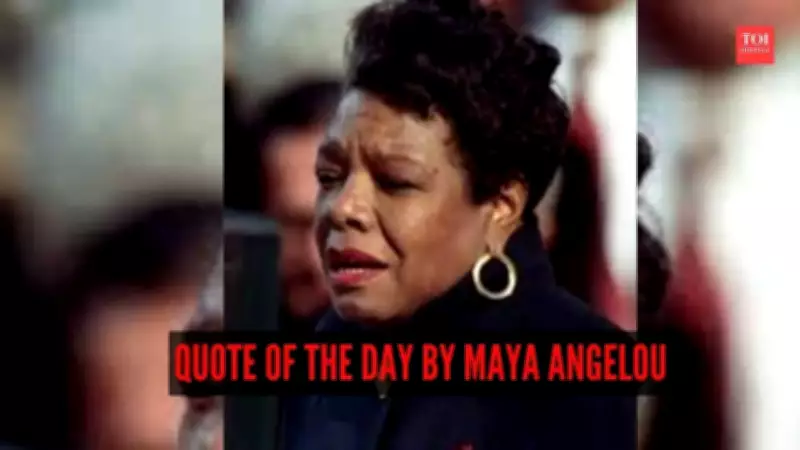
Maya Angelou: An Iconic Voice of the Twentieth Century
Maya Angelou stands as one of the most iconic and influential voices of the twentieth century, celebrated for her profound contributions to literature, civil rights, and human dignity. Born in 1928 in the United States of America, she overcame a challenging childhood marked by silence and racism to emerge as a revered poet, autobiographer, and activist. Her life story is a powerful testament to strength, courage, and an unwavering commitment to uplifting humanity through art and advocacy.
Early Life and Rise to Prominence
Angelou's journey from adversity to acclaim began with her groundbreaking memoir, I Know Why the Caged Bird Sings, which vividly explores her early experiences with race, gender, and personal resilience. This work not only gave voice to marginalized communities but also paved the way for autobiographical writing by Black women, establishing itself as a cornerstone of modern literature. Her ability to blend lyrical rhythm with conversational warmth allowed her messages to resonate deeply with both academic and general audiences, making her a beloved public intellectual.
Literary Contributions and Honors
Angelou's extensive body of work spans poetry, autobiographies, essays, and plays, each piece imbued with emotional depth and compassion. Notable poetry collections such as And Still I Rise and Phenomenal Woman celebrate self-worth, resilience, and the beauty of individuality, inspiring readers worldwide. Over her lifetime, she received numerous accolades, including the prestigious Presidential Medal of Freedom, in recognition of her significant cultural and social impact. Her phraseology, rich with empathy, enabled ordinary people to interpret complex human emotions with ease, fostering a greater understanding of themes like identity, trauma, hope, and healing.

The Power of a Timeless Quote
One of Angelou's most widely attributed quotes, "I've learned that people will forget what you said, people will forget what you did, but people will never forget how you made them feel," encapsulates her wisdom on interpersonal relations. At its core, this statement highlights the enduring nature of emotions in human interactions. While words and actions may fade from memory, the feelings associated with them persist, shaping relationships and legacies. Angelou's insight encourages a shift from self-centered pursuits to fostering kindness, respect, and empathy, emphasizing that true impact lies in how we treat others.
Applications in Leadership and Daily Life
This quote holds practical relevance across various spheres, including leadership, teaching, parenting, and friendship. Effective leaders are remembered not just for their decisions but for making others feel valued and empowered. Teachers influence lives by creating engaging and supportive environments rather than merely imparting knowledge. In personal relationships, affection and sympathy build lasting bonds. Angelou's message underscores the importance of emotional intelligence—the ability to perceive and respond to others' feelings—in a fast-paced world often driven by material success. She reminds us that a genuine legacy is built on the emotional impressions we leave behind, not just our achievements.
Enduring Legacy and Cultural Significance
Today, Maya Angelou's works continue to be studied and cherished for their sincerity, power, and dignity. Her acclaimed publications provide a voice for strength and honor, while her timeless quote serves as a reminder of the subtle yet profound power of compassion. As conversations end and successes fade, the way we treat one another creates memories, fosters relationships, and shapes enduring legacies. Angelou's life and literary output remain a beacon for understanding the human experience, inspiring generations to embrace resilience and empathy in their own journeys.