India is a land of traditions, and even the tiniest ornament carries deep meaning. For centuries, Indian women have adorned themselves with nose rings, anklets, and toe rings, not merely for beauty but for cultural, emotional, and symbolic reasons. These ornaments are more than fashion accessories; they are tied to identity, marriage, health beliefs, and spirituality. While many traditions have evolved in modern times, these ornaments still hold a cherished place in Indian culture.
The Meaning Behind Nose Rings
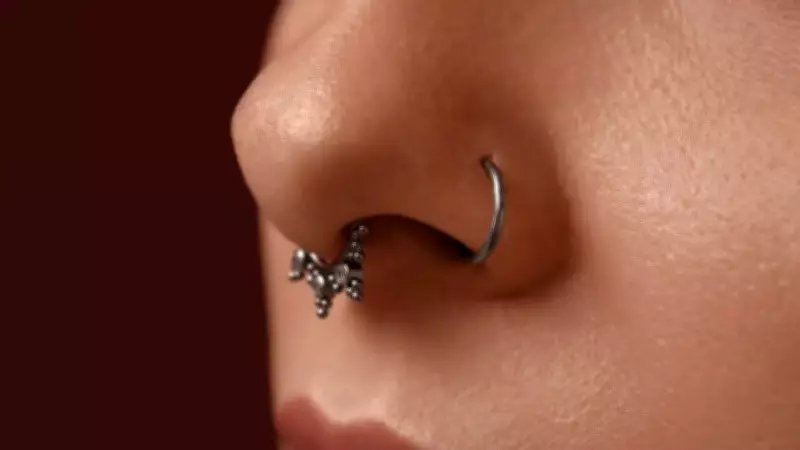
The nose ring, known as 'nath,' is one of the most exquisite ornaments worn by Indian women. It symbolizes grace, beauty, and tradition across much of India. Brides often wear elaborate nose rings during weddings, where they serve as important symbols of marriage and celebration. Traditional beliefs also link nose rings to women's health. According to ancient cultural ideas inspired by Ayurveda, piercing the left nostril was thought to support reproductive health and ease discomfort during childbirth. While modern medical science does not strongly validate these claims, the belief persists in many communities.
Beyond health, a nose ring carries emotional significance. In some families, it represents pride, heritage, and a woman's connection to her roots. Today, many women wear nose rings as a fashion statement while still appreciating their cultural importance.

Anklets: The Sound of Grace and Presence
Anklets, known as 'payal,' are another traditional ornament worn by Indian women. Their soft jingling sound has long been associated with elegance and femininity. In earlier times, the sound of anklets announced a person's arrival, reflecting respect in households where women often moved quietly. Silver anklets are particularly popular because gold is traditionally considered sacred and is rarely worn below the waist. The delicate sound of anklets is often linked to happiness and positive energy in homes.
Cultural beliefs also connect anklets to health. Some think that the movement and pressure of anklets on the skin may aid blood circulation or maintain bodily energy. These ideas are based more on tradition than on confirmed medical science. Anklets are also about aesthetics, joy, and self-expression. Many young women wear them to honor tradition while adding a stylish touch to modern outfits.
Toe Rings: A Symbol of Marriage and Commitment
Toe rings, called 'bichiya,' hold great significance in Indian culture, especially in marriage. Married Indian women wear silver toe rings to signify commitment to their husbands, similar to wedding rings in Western countries. These rings are typically gifted during weddings and are worn on the toes of both feet.
Traditional beliefs suggest that toe rings benefit women's reproductive health. According to ancient customs, the gentle pressure on specific nerves connected to the uterus and menstrual cycle may support fertility and overall well-being. However, these beliefs are culturally rooted and not strongly supported by modern medicine. Nevertheless, toe rings remain deeply meaningful in Indian culture. For many women, they are not mere ornaments but symbols of tradition, marriage, and cultural identity, carrying significance far beyond their appearance.
Above all, toe rings symbolize responsibility, love, and a new phase of life. They remind women of their ties to family and marriage, reflecting tradition and identity.
More Than Just Jewellery
Nose rings, anklets, and toe rings are more than just ornaments. They tell stories of culture, values, and beliefs passed down through generations. These traditions hold emotions, memories, and meanings that transcend appearances. Today, many women wear them as a blend of tradition and fashion. Some wear them to celebrate their heritage, while others simply appreciate their aesthetic appeal. Whatever the reason, these ornaments retain a timeless charm.
They remind us that in Indian culture, even jewellery has a voice—a voice that speaks of identity, love, beauty, and tradition, a voice that continues to shine through generations.

About the Author
The TOI Lifestyle Desk is a dynamic team of dedicated journalists who, with unwavering passion and commitment, sift through the pulse of the nation to curate a vibrant tapestry of lifestyle news for The Times of India readers. At the TOI Lifestyle Desk, we go beyond the obvious, delving into the extraordinary. Consider us your lifestyle companion, providing a daily dose of inspiration and information. Whether you're seeking the latest fashion trends, travel escapades, culinary delights, or wellness tips, the TOI Lifestyle Desk is your one-stop destination for an enriching lifestyle experience.