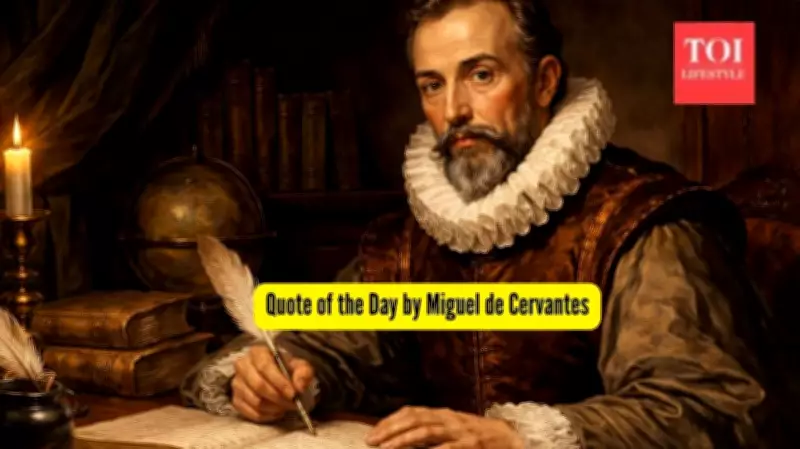
The Unparalleled Legacy of Miguel de Cervantes
Miguel de Cervantes stands as a monumental figure in world literature, universally recognized as the most significant writer in Spanish literary history. His masterpiece, Don Quixote, is frequently hailed as the first modern novel and remains one of the most influential books ever composed. Cervantes' extraordinary life journey—marked by hardship, adventure, and resilience—profoundly shaped his literary voice, infusing his works with remarkable depth, humor, and unparalleled realism.
Early Life and Formative Years
Born in 1547 in Alcalá de Henares, near Madrid, Miguel de Cervantes Saavedra emerged from humble beginnings. His father, Rodrigo de Cervantes, worked as a barber-surgeon, performing basic medical procedures. The family's financial instability forced frequent relocations, creating a nomadic childhood. Although details of his formal education remain scarce, historical evidence suggests Cervantes studied in Madrid under a humanist teacher, where he developed a passionate interest in literature, poetry, and classical works that would later define his career.
Military Service and Captivity
In 1570, Cervantes enlisted in the Spanish army, embarking on a military career that would dramatically alter his life. The Battle of Lepanto in 1571—one of history's largest naval conflicts—saw Cervantes fight courageously, sustaining severe injuries that permanently damaged his left hand. This earned him the enduring nickname "the one-handed man of Lepanto." Following several years of service, his return voyage to Spain in 1575 was intercepted by pirates, who captured him and transported him to Algiers as a prisoner.

Enduring five grueling years of slavery, Cervantes made multiple failed escape attempts before his family finally gathered sufficient funds for his ransom in 1580. This period of captivity deeply influenced his worldview, embedding themes of freedom, struggle, and human resilience throughout his subsequent literary works.
Literary Pursuits Amidst Adversity
Upon returning to Spain, Cervantes pursued writing with determination, though financial stability remained elusive. He accepted various governmental roles, including tax collection and naval supply management, yet persistent monetary troubles led to his imprisonment due to accounting discrepancies. Remarkably, scholars believe his incarceration sparked the initial conception of Don Quixote. Despite these challenges, Cervantes persevered, producing plays, poems, and prose that gradually built his reputation.
The Masterpiece: Don Quixote
The publication of Don Quixote catapulted Cervantes to international fame. Released in two parts—1605 and 1615—the novel follows Alonso Quixano, a man obsessed with chivalric romances who reinvents himself as the knight-errant Don Quixote. Accompanied by his pragmatic squire Sancho Panza, Quixote embarks on fantastical adventures that blur the lines between reality and imagination. The work achieved immediate popularity across Europe and is now regarded as one of the finest novels ever written.
While Cervantes authored numerous other significant works, including plays and short stories, none matched the monumental impact of Don Quixote.
Distinctive Literary Style and Innovations
Cervantes' writing style revolutionized narrative techniques through several key characteristics:

- Complex Characterization: He pioneered the creation of realistic, multifaceted characters with genuine flaws, emotions, and inconsistencies.
- Satirical Humor: His works, particularly Don Quixote, employ sharp satire to critique unrealistic romantic ideals and societal norms.
- Psychological Depth: Cervantes explored his characters' inner thoughts and feelings, enhancing their relatability and authenticity.
- Fantasy-Reality Fusion: He masterfully blended imaginative adventures with mundane settings, as seen in Quixote's delusions amidst an ordinary world.
Enduring Influence on World Literature
Cervantes' contributions to literature are immeasurable. Don Quixote is widely considered the first modern novel due to its sophisticated plot, psychological themes, and realistic character development. His work inspired countless literary giants, including Fyodor Dostoevsky, Gustave Flaubert, and James Joyce, fundamentally shaping the evolution of fiction across Europe and beyond.
Timeless Wisdom: A Quote for the Ages
One of Cervantes' most memorable quotations offers profound insight: "To withdraw is not to run away, and to stay is no wise action, when there's more reason to fear than to hope." This statement challenges conventional notions of bravery, suggesting that strategic retreat in hopeless situations demonstrates wisdom and sound judgment rather than cowardice. Cervantes emphasizes that true courage involves recognizing one's limits and making prudent decisions, a lesson that remains strikingly relevant today.
Conclusion: A Lasting Literary Titan
Miguel de Cervantes lived a life of extraordinary adventure, hardship, and unwavering determination. His experiences—from the Battle of Lepanto to Algerian captivity—imbued his writing with unique perspective and emotional resonance. Through Don Quixote and his broader literary output, Cervantes transformed storytelling, laying the groundwork for the modern novel with his blend of humor, realism, and psychological insight. His understanding of human nature, including the nuanced definition of courage, ensures his works remain vital centuries later, securing his position as one of history's greatest literary figures.