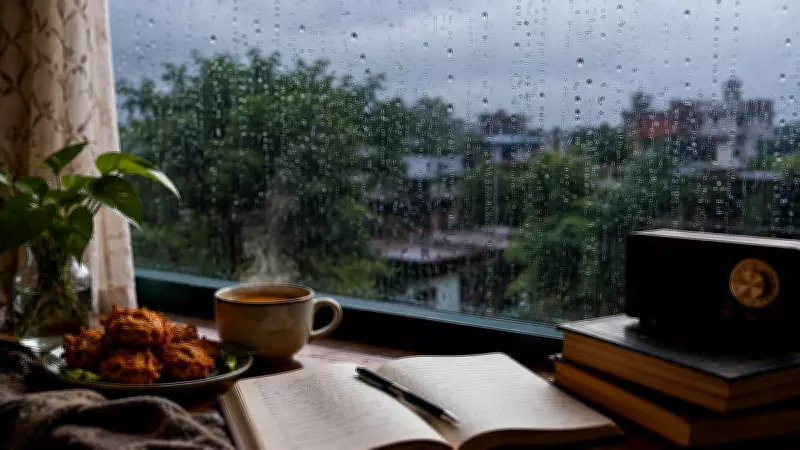
In a poignant reflection on the changing nature of the monsoon, writer I P Anand laments how the season has been reduced from a source of poetic inspiration and childhood joy to a mundane traffic alert in modern urban life.
The Lost Rhythm of Rain
The monsoon once brought a rhythm of falling rain that served as a pause in hurried lives, evoking memories tucked away in forgotten corners of the mind. It revived carefree joys of childhood, when puddles were playgrounds and the scent of wet earth was pure magic.
Today, however, the monsoon is more likely to trigger notifications about waterlogging, traffic jams, and delayed commutes. The shift reflects a broader cultural change where natural phenomena are increasingly viewed through the lens of inconvenience rather than wonder.

A Cultural Transformation
Anand argues that this transformation is not just personal but societal. The monsoon, once celebrated in literature, music, and art, has become a logistical challenge to be managed. The loss is not just about nostalgia but about a deeper connection to nature that modern life has eroded.
According to the author, the monsoon now serves as a reminder of urban infrastructure failures rather than a source of renewal. The joy of getting drenched has been replaced by the anxiety of reaching work on time.
Rediscovering the Monsoon
Despite the changes, Anand suggests that the monsoon still holds the power to reconnect us with simpler pleasures, if only we take a moment to pause. The article calls for a conscious effort to reclaim the season's beauty and meaning, beyond traffic alerts and weather apps.
The piece, published on July 2, 2026, resonates with many who feel that the monsoon's magic has been overshadowed by the demands of modern life. It serves as a gentle reminder that some things, like the rhythm of rain, are worth preserving.