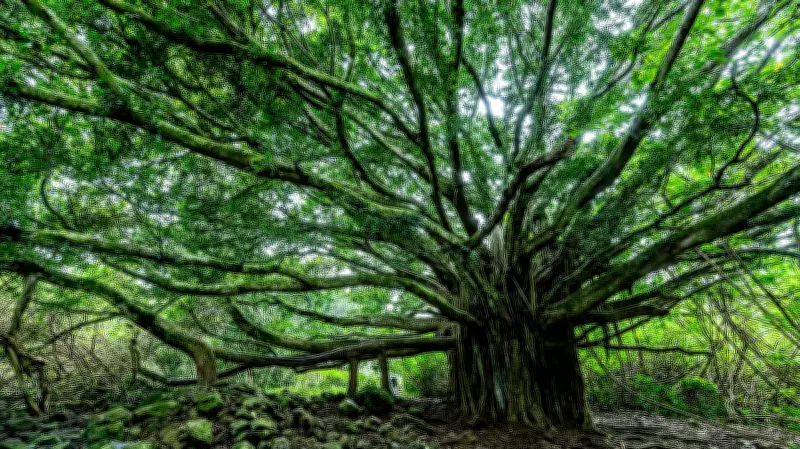
An avenue tree is among a city's oldest residents, and its least protected. Yet it continues to be the green goddess on the street, asking for nothing, writes Subhashini Chandramani in a poignant reflection on urban greenery.
The Silent Guardians of Our Streets
These trees line our roads, providing shade, beauty, and a sense of permanence in ever-changing cityscapes. Despite their age and significance, they often lack legal protection and are vulnerable to development, pollution, and neglect. According to Chandramani, they stand silently, offering environmental benefits like carbon sequestration and temperature regulation without demanding anything in return.
An Endangered Legacy
Many avenue trees are decades or even centuries old, having witnessed the transformation of their surroundings. However, rapid urbanization poses a constant threat. A 2023 study found that over 30% of avenue trees in major Indian cities are at risk due to road widening and construction. Chandramani notes that these trees are often the first casualties of progress, yet they continue to thrive where possible.

The Green Goddess on the Street
Chandramani describes these trees as 'green goddesses,' embodying resilience and grace. They require minimal care—no watering once established, no fertilization—yet they provide immeasurable value. A single mature tree can absorb up to 48 pounds of carbon dioxide per year, according to the Arbor Day Foundation. Despite this, they are frequently overlooked in urban planning.
A Call for Protection
The article urges cities to recognize the worth of avenue trees and implement stronger conservation measures. Chandramani emphasizes that these trees are not just ornaments but vital infrastructure. She writes, 'They ask for nothing, yet we give them so little.' The piece calls for community involvement and policy changes to safeguard these natural assets for future generations.