Supreme Court Denies Bail to Umar Khalid and Sharjeel Imam
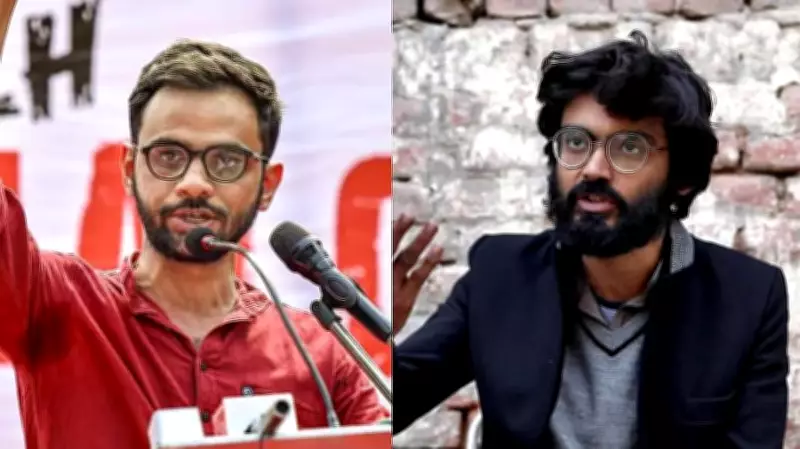
In January 2026, a Supreme Court bench denied bail to activists Umar Khalid and Sharjeel Imam in the 2020 Delhi riots conspiracy case, citing the gravity of the allegations despite both having spent years in custody. The decision underscores the human cost of delayed justice under the Unlawful Activities (Prevention) Act (UAPA), a stringent anti-terror law that makes bail extremely difficult.
Background of the Case
The case stems from the February 2020 communal riots in Delhi that left over 50 people dead and hundreds injured. Khalid and Imam were arrested in 2020 under UAPA and Indian Penal Code sections for allegedly conspiring to incite violence. They have been in judicial custody for over five years without trial. The Supreme Court's January 2026 order marked the latest in a series of bail rejections, including by the Delhi High Court and lower courts.
Impact of UAPA on Bail Provisions
UAPA Section 43D(5) imposes stringent conditions for bail, requiring the court to consider the gravity of the allegations and the possibility of the accused committing further offences. Critics argue this effectively presumes guilt, leading to prolonged pretrial detention. According to the National Crime Records Bureau, over 5,000 people were detained under UAPA in 2022, with a conviction rate of only 2.3%, highlighting the law's misuse.

Human Cost of Delayed Justice
The denial of bail has severe consequences for the accused and their families. Khalid, a former Jawaharlal Nehru University student, and Imam, a PhD scholar from Jamia Millia Islamia, have faced prolonged isolation. Their families have reported deteriorating health and mental stress. Legal experts note that such delays violate the right to a speedy trial under Article 21 of the Constitution. As senior advocate Kapil Sibal argued in court, "Bail is the rule, jail is the exception," but UAPA inverts this principle.
Reactions and Calls for Reform
Human rights organizations and opposition politicians have condemned the Supreme Court's decision. The People's Union for Civil Liberties stated that the judgment "perpetuates injustice" and called for UAPA reform. The government, however, defends the law as necessary for national security. The case remains pending trial, with no end in sight for the accused.