Mumbai Mosque's Eid Gesture Highlights Financial Struggles of Clerics
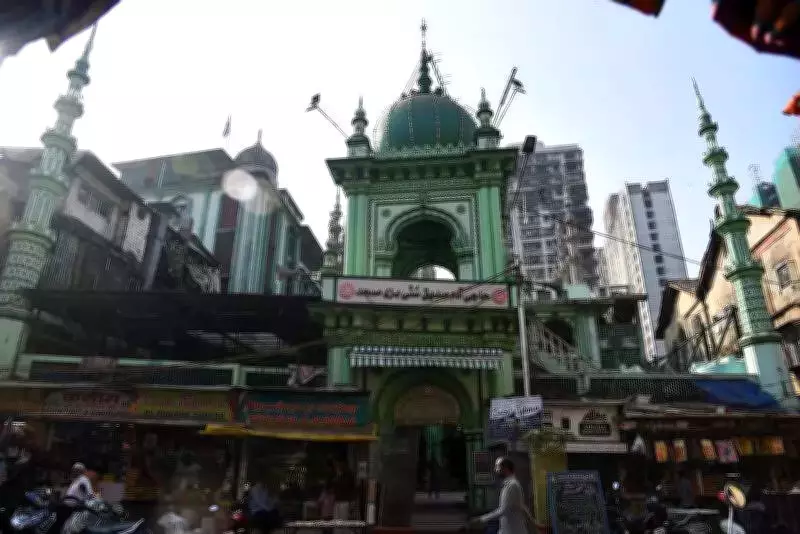
On the 27th day of Ramzan, corresponding to March 17, the historic Sunni Badi Masjid in Madanpura, central Mumbai, conducted a brief but significant ceremony. Following the completion of the Quran's final verses, the mosque honored several individuals, including two hafizs who had led the tarawih prayers throughout the holy month.
Substantial Rewards for Spiritual Leaders
Hafiz Jibreel and Hafiz Dilawar each received Rs 1.83 lakh in cash, accompanied by new clothing, packets of attar, and various other gifts. For many familiar with the challenging financial circumstances faced by clerics—including imams, madrassa teachers, and hafizs—this generous gesture, mirrored at a few other mosques, felt like an unexpected Eid bonanza.
Most hafizs complete their recitation of the Quran towards the end of Ramzan, just before Eid, and traditionally receive rewards, though rarely on such a substantial scale. Hafizs are clerics who have memorized the entire Quran and are in high demand during Ramzan, often traveling from distant locations to lead tarawih prayers.

Community Leaders Applaud the Initiative
The windfall extended beyond the hafizs to include the mosque's imam, Mufti Zubair, who received Rs 2.7 lakh. Islam Gymkhana president Yusuf Abrahni, a long-time advocate for better pay for clerics, praised the move, stating, "This is just fabulous. This mosque has set an example in how our imams and hafizs should be treated."
Abrahni often questions why community members, who rely on mosques and their leaders during congregational prayers, hesitate to compensate them fairly. "The realisation, it seems, may be dawning," he noted, reflecting a growing awareness of the issue.
Voices from the Mosque and Beyond
Iqbal Ansari, associated with Sunni Badi Masjid, explained, "We believe hafizs and imams deserve better remuneration and must be taken care of well. What we gave them at the end of Ramzan was apart from the gifts they received from individual worshippers."
The rigorous process of memorizing the Quran often begins in childhood. Dr. Faisal Ansari, a Mira Road-based dentist, completed his hafiz training at age 13 while in Class 8. "Memory is sharp when you're young, so the process begins early. I studied secular subjects alongside," he shared.
Dr. Ansari continues to revise regularly and has led tarawih prayers annually since 2013, even during his BDS studies. "An organization in Pune paid my fees annually as hadiya for leading prayers. This year, they gave me a handsome amount," he added, illustrating alternative support mechanisms.
Push for Structural Change
Concerned by the community's historical indifference, some leaders are advocating for systemic improvements. Javed Shroff, chairman of the Habib Group of Trusts, revealed plans to initiate a scheme training students as hafizs, bringing in experts from countries like Iran and Iraq.
For now, the generous rewards at Madanpura's Sunni Badi Masjid serve as a hopeful precedent—one that many believe should be replicated across Mumbai and beyond, ensuring that those who dedicate their lives to spiritual guidance receive the support they deserve.