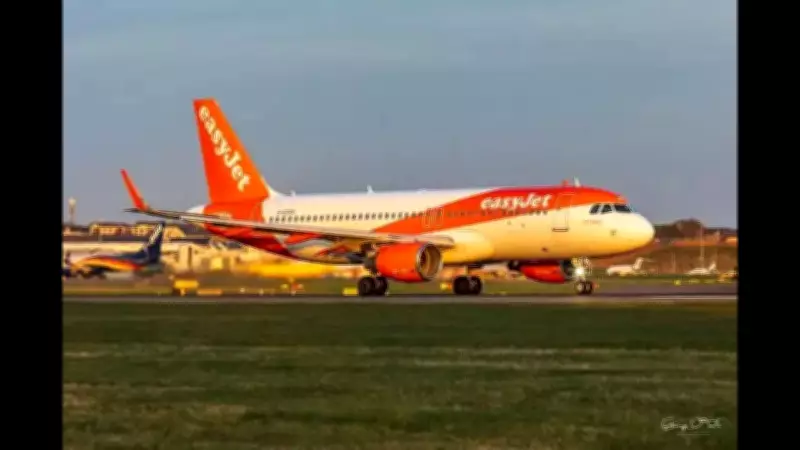
Safety Concerns Force Delay on EasyJet Flight from Southend to Malaga
An EasyJet flight scheduled to depart from London Southend Airport to Malaga experienced a significant delay on Saturday morning after crew members identified that the aircraft exceeded safe operating weight under prevailing conditions. The 08:40 BST service was held back as safety margins dipped below acceptable levels, prompting immediate recalculations while passengers remained inside the cabin.
Volunteers Step Forward to Resolve Weight Issue
The situation required a reduction in load to ensure safe takeoff. Approximately ten minutes after the delay began, five individuals voluntarily stepped off the flight without being asked, which brought the weight down to acceptable limits just before departure. Other passengers on board applauded as these volunteers exited the aircraft.
EasyJet promptly arranged assistance for the volunteers, covering their travel from Essex to London Gatwick at no cost. The airline later provided them with new flights to continue their journey later that day, with compensation payments promised in accordance with official regulations.

Weather and Runway Conditions Contribute to Operational Challenge
Warm weather conditions and the specific runway length at Southend Airport were cited as contributing factors that affected the aircraft's takeoff performance. These elements combined to reduce the safe operating weight margin, necessitating the load adjustment. The airline emphasized that their team managed the situation on-site following standard safety procedures, with no risks taken during the process.
Passenger Kelly Wayland, who operates her own travel business, described experiencing heightened anxiety during the delay. "Flying hasn't felt quite safe lately, especially with storms brewing outside," she noted. "A quiet dread settled deeper after they asked everyone to wait."
Compensation Guidelines and Industry Standards
According to UK aviation regulations, passengers on medium-distance flights like Southend to Malaga may be entitled to compensation ranging from £175 to £350 depending on the length of delay. EasyJet has not yet specified the exact compensation amounts for this incident, as these determinations heavily depend on timing factors.
The aviation industry relies on established weight standards rather than individual passenger measurements. European air safety tests conducted in 2022 determined that passengers with their luggage typically average 84 kilograms. Operational decisions incorporate multiple variables including weather conditions, fuel load, and runway specifications to ensure flight safety.
Historical Context and Safety Emphasis
This incident recalls a similar occurrence in 2014 on the same Southend to Malaga route where passengers also disembarked due to weight concerns. While such events remain relatively rare, they highlight the precise calculations required before aircraft can safely take off.
Airline representatives reiterated their commitment to safety protocols, emphasizing care for both travelers and crew members throughout all flight phases. The meticulous management of operational details from start to finish demonstrates the aviation industry's prioritization of safety above all other considerations.