

The Growing Debate Over Dangerous Dog Breeds in Urban India
Across India's rapidly developing urban landscape, a significant conversation is unfolding regarding pet safety and responsible ownership. While dogs have long been cherished as loyal companions and sources of joy in households nationwide, recent years have seen escalating concerns about certain powerful breeds in densely populated cities.
The remarkable boom in pet ownership, particularly in metropolitan areas, has coincided with an increase in incidents involving dogs chasing, intimidating, or endangering people in public spaces. This troubling trend has prompted municipal authorities to implement strict regulations, with some cities like Chandigarh imposing outright bans on specific breeds deemed too dangerous for urban environments.
Understanding the Aggressive Breeds Facing Restrictions
Several dog breeds have come under scrutiny due to their physical power, historical breeding purposes, and potential for aggression when not properly trained or managed. These breeds present particular challenges in crowded urban settings where space is limited and interactions with strangers are frequent.

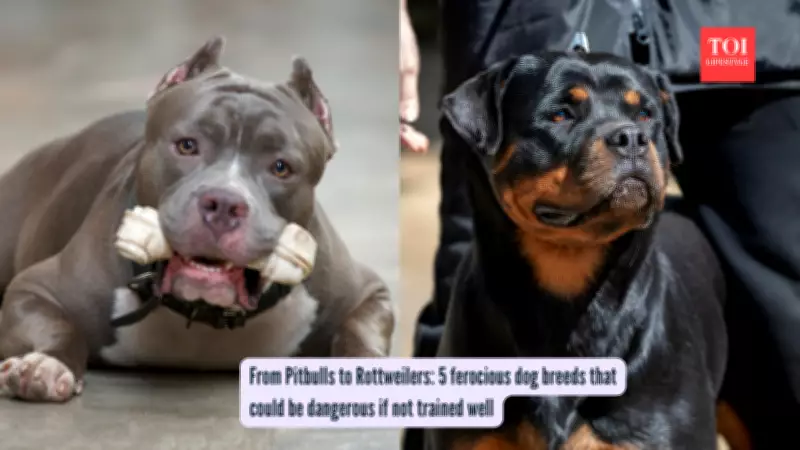
Pitbull Terrier: Power With a Controversial History
Pitbull Terriers stand at the center of India's dangerous dog debate. These muscular companions typically weigh between 50-70 pounds and possess jaws capable of exerting approximately 235 pounds per square inch of bite force according to breed statistics. Originally bred for tenacity in dogfighting circles, their powerful physique and determined nature require expert handling and consistent training.
While Pitbulls can demonstrate remarkable loyalty and affection within family settings, inadequate training or socialization can potentially transform their protective instincts into dangerous aggression. Chandigarh's municipal authorities have implemented a complete ban on this breed alongside others, providing existing owners with a 45-day window to register their pets before enforcement measures take full effect.
American Bulldog: The Farm Guardian in Urban Spaces
American Bulldogs, weighing between 60-100 pounds, were historically bred as farm guardians and working dogs. Their broad heads and athletic builds make them naturally suited for protection duties, but these same characteristics create challenges in populated urban areas. These loyal yet territorial animals are ideally kept in open spaces with room to exercise, rather than confined apartment settings.
Several Indian cities have restricted or banned American Bulldogs due to concerns about their unpredictable power when they escape or feel threatened. Existing owners in regulated areas often face mandates including sterilization requirements and strict containment protocols to minimize public safety risks.
Rottweiler: The Gentle Giant With Formidable Capabilities
Weighing between 80-135 pounds, Rottweilers possess a confident demeanor backed by one of the strongest bite forces among domestic dogs at approximately 328 pounds per square inch. Originally bred for herding and protection work, these intelligent animals can be gentle family companions when properly trained and socialized from an early age.
However, without firm control and consistent leadership, their protective instincts and physical power can become dangerous. Incidents involving Rottweilers have highlighted concerns about their potential for aggression, particularly in situations where they perceive threats to their family or territory.
Cane Corso: The Italian Mastiff With Intense Guarding Instincts
The Cane Corso, an Italian mastiff breed reaching up to 110 pounds, faces restrictions in multiple jurisdictions due to its intense guarding instincts and formidable physical presence. With athletic frames and bites measuring around 700 pounds per square inch, these dogs were historically bred for property protection and hunting large game.
While fiercely loyal and family-oriented, Cane Corsos typically exhibit wariness toward strangers that can escalate without proper socialization. Their size, strength, and protective nature make them particularly unsuitable for crowded city environments, with many regulations specifying they belong on estates or properties with substantial space.

American Staffordshire Terrier: Muscular Build With Training Requirements
The American Staffordshire Terrier stands out for its powerful, muscular build and reputation for loyalty, bravery, and intelligence. Like related breeds, this dog requires extensive socialization and consistent training to channel its protective instincts appropriately.
Without proper guidance, American Staffordshire Terriers can demonstrate aggression toward other animals, contributing to their inclusion on lists of potentially dangerous breeds. Their physical capabilities combined with strong territorial instincts necessitate responsible ownership practices, particularly in urban settings with frequent animal and human interactions.
The Path Forward for Urban Pet Ownership in India
As Indian cities continue to grow denser, the conversation around dangerous dog breeds reflects broader questions about urban living, public safety, and animal welfare. Municipal regulations like those implemented in Chandigarh represent attempts to balance individual pet ownership rights with community safety concerns.
Experts emphasize that breed-specific legislation represents only one approach to addressing these complex issues. Comprehensive solutions may include mandatory training requirements, stricter licensing protocols, public education about responsible pet ownership, and improved animal control infrastructure. The ongoing debate highlights the need for nuanced policies that consider both human safety and animal welfare in India's evolving urban environments.





