In the heart of Porvorim, a remarkable museum shaped like a ship rises from the middle of the road, capturing the imagination of passersby. This architectural marvel is not just a visual delight but a treasure trove of history, carrying within its walls stories of Goan houses, Portuguese traditions, and even forgotten ragi mills from Doddaballapura.
A Unique Architectural Marvel
The museum's ship-like design is a deliberate nod to Goa's maritime past and its connections to the sea. Built at a busy intersection, it stands as a beacon of cultural preservation amidst urban development. The structure itself is a blend of modern architecture and traditional elements, symbolizing the fusion of old and new that defines Goa's heritage.
Inside the Museum: A Journey Through Time
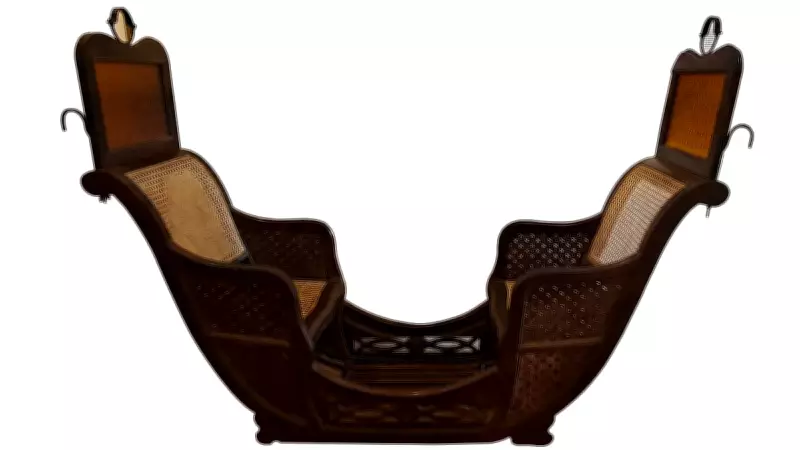
Upon entering, visitors are greeted by exhibits that span centuries. One section is dedicated to traditional Goan houses, showcasing the distinctive architecture, furniture, and artifacts that tell the story of family life in the region. Another area highlights Portuguese traditions, from religious processions to culinary practices, reflecting the deep influence of colonial rule on Goan culture.

Perhaps the most surprising exhibit is the collection of ragi mills from Doddaballapura, a town in Karnataka. These mills, once essential for grinding millet, represent a forgotten agricultural practice. Their inclusion in the museum underscores the interconnectedness of Indian histories and the importance of preserving even the most humble tools of daily life.
Preserving Forgotten Stories
The museum's curator, Shree D N, has painstakingly gathered these artifacts from across the region. The ragi mills, in particular, were sourced from elderly farmers who had stored them away for decades. By giving them a permanent home, the museum ensures that future generations can understand the agrarian roots of the subcontinent.
Educational and Cultural Impact
Beyond its exhibits, the museum serves as an educational hub for schools and colleges. Workshops on traditional crafts, lectures on Goan history, and interactive sessions on Portuguese influences are regularly held. The ship-shaped building itself has become a landmark, drawing tourists and locals alike to explore the layers of history embedded in its walls.
As visitors walk through the museum, they are reminded that history is not just found in textbooks but in the ink of old documents and the stone of ancient structures. This museum, rising from the road, is a testament to the enduring power of memory and the importance of preserving our shared heritage.