Historic Navalgund Kamanna Idol Installed at Ramalingeswara Temple in Grand Ceremony
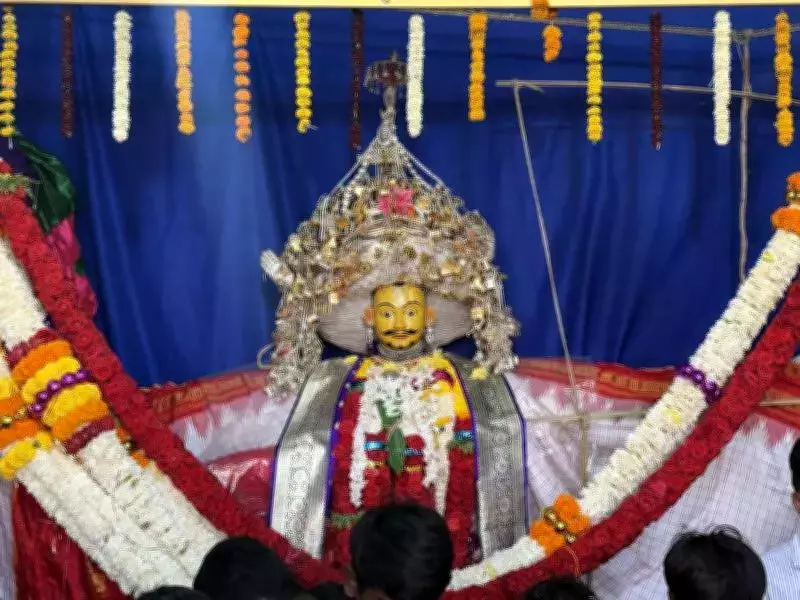
The historic Navalgund Kamanna idol was officially installed at the Ramalingeswara Temple in a grand and elaborate ceremony on Saturday. This significant religious event marks a pivotal moment for devotees across the region, drawing immense attention and participation.
Massive Devotee Turnout Expected
Authorities anticipate a massive turnout of eight to nine lakh devotees from Maharashtra, Andhra Pradesh, and north Karnataka over the next five days. This represents a substantial increase from last year's attendance of approximately six lakh visitors, highlighting the growing significance of this festival.
To manage the expected crowds, comprehensive arrangements have been put in place. Gunjan Arya, Superintendent of Police, confirmed that over 200 police personnel will be deployed to ensure security. Measures include extensive barricading, strategic CCTV installations, and organized route marches to maintain order and safety throughout the event.

Special Offerings and Traditions
The idol is renowned for its special offerings, which attract people of various faiths seeking to fulfil vows. Traditional offerings include:
- Silver basins and horses, considered particularly auspicious.
- Cradles offered by childless couples praying for blessings of children.
- Silver articles dedicated for health, housing, or job stability.
Many devotees return to express gratitude once their prayers are answered, reinforcing the idol's spiritual significance. Lingaraj B Siddaramashettar from the Ramalingeshwar Kamanna Trust noted the ongoing mystery of how Ramalinga Kamanna came to Navalgund, adding to the idol's historical and cultural allure.
Ceremonial Schedule and Symbolism
Devotees can offer prayers until the night of March 4, with events such as the Kumbh Mela, kalasa installation, and puja planned to accommodate around eight lakh visitors. The ceremonies are deeply rooted in tradition, with Ramalinga Kamanna worshipped and burned on a specific day, followed by the idol's reinstallation on Ugadi, symbolising Kamanna's rebirth.
This ritual of renewal underscores the cyclical nature of faith and devotion in the local community. The grand ceremony not only celebrates religious heritage but also fosters unity among diverse groups of worshippers.