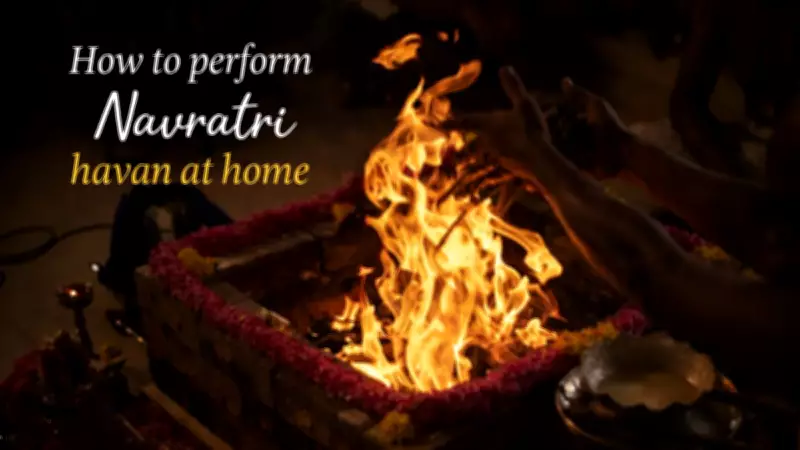
Navratri Havan 2026: A Comprehensive Guide to Sacred Fire Rituals
Navratri, a revered nine-night Hindu festival dedicated to the worship of Goddess Durga, holds immense spiritual significance across India. In 2026, Chaitra Navratri, which marks the beginning of the Hindu New Year in many regions, will be observed with great devotion. Central to these celebrations is the Havan, or sacred fire ritual, performed to invoke divine blessings, purify the environment, and seek prosperity. This guide provides a detailed overview of the Navratri Havan Vidhi, essential mantras, and the required samagri for a spiritually enriching experience.
Understanding the Significance of Navratri Havan
The Havan ritual during Navratri is not merely a ceremonial act but a profound spiritual practice rooted in ancient Vedic traditions. It involves offering various sacred items into a consecrated fire while chanting specific mantras. This act is believed to purify the atmosphere, ward off negative energies, and attract positive vibrations. The fire, considered a medium to the divine, carries the offerings to the deities, symbolizing the dissolution of ego and material desires. Performing Havan during Navratri is said to amplify the benefits, as the cosmic energies are highly favorable during this period, enhancing spiritual growth and well-being.
Essential Samagri for Navratri Havan
Preparing the correct samagri, or ritual items, is crucial for an effective Havan. The following list includes the primary components required:

- Ghee (Clarified Butter): Used as a primary offering to fuel the fire and symbolize purity.
- Wood: Preferably from sacred trees like mango, peepal, or sandalwood, to maintain a pure flame.
- Grains: Such as rice, barley, or sesame seeds, representing abundance and sustenance.
- Herbs and Spices: Including turmeric, sandalwood powder, and camphor, known for their purifying properties.
- Flowers and Leaves: Like marigold and bilva leaves, offered to honor the deities.
- Fruits and Sweets: Symbolizing gratitude and the sweetness of divine blessings.
- Copper or Earthen Havan Kund: The vessel where the fire is lit, chosen for its spiritual conductivity.
It is recommended to source these items from reputable vendors to ensure authenticity and purity, as impure samagri may diminish the ritual's efficacy. Additionally, arranging them neatly before the Havan begins helps maintain a focused and serene atmosphere.
Step-by-Step Navratri Havan Vidhi
Performing the Havan involves a systematic process to ensure spiritual correctness and devotion. Here is a detailed step-by-step guide:
- Preparation: Clean the designated area thoroughly and set up the Havan Kund in the northeast direction, considered auspicious. Place the samagri within easy reach.
- Invocation: Begin by lighting the fire using ghee and wood, while chanting the Gayatri Mantra or other initial prayers to invoke divine presence.
- Offerings: Gradually add samagri into the fire, starting with ghee, followed by grains, herbs, and other items. Each offering should be made with focused intent and reverence.
- Mantra Chanting: Recite specific Navratri mantras dedicated to Goddess Durga and her various forms, such as Durga Saptashati or Devi Kavach, to enhance the spiritual energy.
- Conclusion: After all offerings are made, perform a final prayer, seeking blessings for peace, prosperity, and protection. Distribute the prasad, or sanctified food, to participants as a symbol of shared blessings.
It is advisable to perform the Havan during auspicious timings, such as early morning or evening, and under the guidance of a knowledgeable priest if possible, to adhere to traditional practices.
Powerful Mantras for Navratri Havan
Chanting mantras is integral to the Havan, as they resonate with divine frequencies and amplify the ritual's effects. Key mantras for Navratri include:

- Durga Mantra: "Om Dum Durgayei Namaha" – Invokes the protective energy of Goddess Durga.
- Navarna Mantra: "Om Aim Hreem Kleem Chamundayei Vichche" – Associated with Goddess Chamunda, a form of Durga, for removing obstacles.
- Gayatri Mantra: "Om Bhur Bhuvah Swah" – A universal mantra for purification and enlightenment.
- Devi Stotram: Verses from texts like Devi Mahatmyam, praising the goddess's virtues and seeking her grace.
Regular recitation of these mantras during the Havan, with sincerity and devotion, is believed to bring spiritual clarity, health, and success. Practitioners are encouraged to learn the correct pronunciation and meaning to deepen their connection.
Spiritual Benefits and Modern Relevance
Beyond its religious aspects, Navratri Havan offers numerous spiritual and psychological benefits. The act of focusing on the fire and mantras promotes mindfulness, reducing stress and enhancing mental peace. The aromatic herbs used in the samagri can purify the air, contributing to a healthier environment. In today's fast-paced world, such rituals provide a meaningful break, fostering community bonding and cultural preservation. For 2026, as Chaitra Navratri approaches, embracing these practices can be a way to reconnect with heritage while seeking inner harmony and divine guidance.
In conclusion, the Navratri Havan for 2026 is a timeless ritual that blends devotion, tradition, and spirituality. By following the proper vidhi, using authentic samagri, and chanting powerful mantras, devotees can experience a transformative journey during Chaitra Navratri. Whether performed individually or in groups, this sacred fire ceremony continues to be a beacon of faith and renewal for millions.