Neanderthals Persisted in Southern Iberia Far Longer Than Previously Believed
Groundbreaking archaeological discoveries from Gorham's Cave in Gibraltar have fundamentally reshaped our understanding of Neanderthal extinction timelines. Radiocarbon dating evidence now conclusively demonstrates that these ancient human relatives maintained a presence in southern Iberia between approximately 33,000 and 24,000 years before present. This remarkable finding positions these Gibraltar populations among the very last confirmed Neanderthal communities anywhere in Europe.
Gibraltar's Cave Preserves a Clear Archaeological Sequence
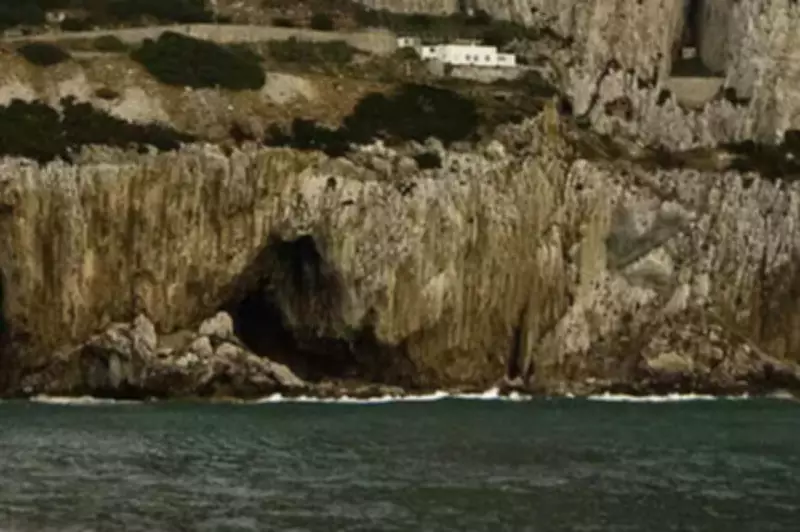
The strategically located Gorham's Cave, carved into the eastern face of the iconic Rock of Gibraltar, contains meticulously preserved sediment layers that provide an unambiguous chronological record. Archaeologists have identified Level IV as containing definitive evidence of late Neanderthal occupation, characterized by distinctive Mousterian stone tools with no contamination from modern human technologies. More than twenty highly precise AMS radiocarbon dates from hearths and associated materials consistently cluster within this late survival window.
The separation between Neanderthal and later human occupation is strikingly clear in the geological record. Above Level IV sits Level III, which corresponds to Upper Palaeolithic settlements by modern humans thousands of years later. The complete absence of blended tool industries or transitional artifacts strongly indicates a significant break in occupation rather than any gradual cultural transition at this specific location. This substantial temporal gap has elevated Gibraltar's status as a probable refuge area during the challenging closing phases of the last Ice Age.

Ecological Diversity Supported Extended Neanderthal Survival
Detailed analysis of animal remains recovered from Level IV reveals an exceptionally broad ecological spectrum that undoubtedly contributed to Neanderthal resilience. Researchers have documented remains from amphibians, reptiles, numerous large mammal species, various birds, and multiple marine molluscs. During periods of lower sea levels associated with colder climatic phases, the coastline would have advanced much closer to the cave entrance, providing reliable access to shellfish and other shallow-water marine resources.
The surrounding landscape exhibited remarkable environmental variety within a relatively compact geographical area. Woodland patches, open ground habitats, and moist wetland zones coexisted in close proximity, creating what scientists describe as a mosaic landscape rather than a uniform environment. This ecological diversity likely provided crucial buffers against climatic fluctuations that were causing severe stress to Neanderthal populations elsewhere across the European continent. The dietary evidence suggests these Gibraltar Neanderthals maintained broad, flexible foraging strategies rather than specialized hunting patterns, a characteristic frequently cited in discussions about their adaptive capabilities.
Climate Instability Likely Sealed the Fate of the Final Population
Marine sediment core data extracted from the western Mediterranean region indicates a dramatic climatic deterioration occurring between approximately 25,500 and 22,500 years ago. This challenging period aligns precisely with what scientists identify as Heinrich Event 2, a well-documented episode characterized by intensely cold and arid conditions across the Northern Hemisphere.
Even Gibraltar's relatively temperate microclimate would have experienced significant environmental strain during this climatic downturn. Water availability patterns likely shifted substantially, while vegetation communities probably thinned and changed composition. Small, isolated populations become particularly vulnerable under such ecological pressures. Archaeologists note there is no evidence of violent confrontation or replacement at the cave site. Instead, the Neanderthal record simply ceases, followed by a substantial chronological gap before modern human groups eventually appear in the overlying layers.

The precise reasons for this disappearance remain actively debated within scientific circles. Climate change represents one compelling explanation, while genetic isolation and demographic factors likely contributed. Gorham's Cave preserves its stratified sequence with scientific clarity, yet the ultimate causes of Neanderthal extinction at this final frontier continue to inspire research and discussion among archaeologists and paleoanthropologists worldwide.