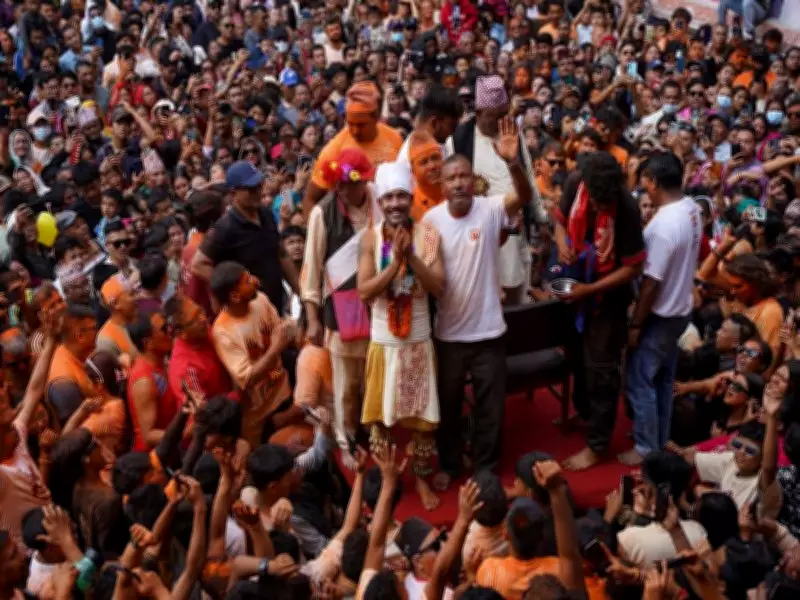
Nepal's Bode Village Upholds Ancient Tradition with Annual Tongue Piercing Festival
In the heart of Nepal, the village of Bode continues to preserve a centuries-old tradition through its annual tongue piercing festival, a unique cultural and religious event that draws devotees and spectators alike. This ritual, deeply rooted in local beliefs, involves participants piercing their tongues with metal rods as an act of devotion to deities, seeking blessings for health, prosperity, and protection from evil forces.
Historical and Cultural Significance
The tradition dates back several centuries and is believed to have originated from ancient practices aimed at appeasing gods and goddesses in the region. According to local lore, the ritual was established to honor divine beings and has been passed down through generations, maintaining its authenticity despite modern influences. The festival typically takes place during specific auspicious dates in the Nepali calendar, often coinciding with religious holidays, and is marked by elaborate ceremonies, traditional music, and community gatherings.
Ritual Practices and Community Involvement
During the festival, devotees, often from Bode and surrounding areas, voluntarily undergo tongue piercing using sterilized metal rods. The process is performed by experienced elders or priests who follow strict rituals to ensure safety and sanctity. Participants, including men, women, and sometimes children, believe that enduring this pain demonstrates their faith and earns divine favor. After the piercing, they may walk in processions, chant prayers, and offer sacrifices, with the rods remaining in place for a set duration, symbolizing their commitment.

- Religious devotion: The act is seen as a form of penance or offering to deities, with participants seeking blessings for personal and communal well-being.
- Cultural preservation: The event helps keep ancient traditions alive, fostering a sense of identity and continuity among villagers.
- Community bonding: It brings together families and neighbors, strengthening social ties through shared rituals and celebrations.
Modern Context and Global Attention
In recent years, the Bode tongue piercing festival has gained attention beyond Nepal, attracting tourists and researchers interested in unique cultural practices. While some view it as a testament to enduring traditions, others raise questions about safety and modernization. However, local authorities and community leaders emphasize that the ritual is conducted with care, using clean equipment and medical supervision when possible, to minimize risks. The festival also serves as an economic boost for the village, with increased visitor numbers supporting local businesses.
Despite challenges, the people of Bode remain committed to upholding this tradition, viewing it as an integral part of their heritage. As the world becomes more interconnected, such events highlight the diversity of human culture and the importance of preserving ancient customs for future generations.