Netaji's Kokar Chair: Ranchi's Living Relic of Subhas Chandra Bose's 1940s Stay
In the quiet neighborhood of Kokar in Ranchi, the most enduring relic of Subhas Chandra Bose's presence is not a grand monument or a memorial stone, but a simple wooden chair resting on a veranda. This unassuming piece of furniture, preserved meticulously inside the Aikat family home, stands exactly where it once did—the very spot where Bose would sit, rest, and engage in conversations during his stay in the city in the early 1940s.
A Historic Stay Amid Political Turmoil
In December 1939, as tensions within the Indian National Congress escalated ahead of the historic Ramgarh session, Bose spent nearly three days at the residence of Fanindra Nath Aikat. A government contractor and a close associate, Aikat welcomed Netaji despite significant pressure from colonial authorities to refuse him shelter. From this Kokar home, Bose would travel daily to Ramgarh for crucial political meetings, returning each evening and transforming the house into an informal hub of activity during a turbulent phase of India's freedom struggle.
The veranda, now serene, once resonated with discussions about strategy, ideology, and the future direction of the movement. While historical records often highlight the speeches and resolutions from Ramgarh, Bose's routine in Ranchi was profoundly shaped by these personal interactions. Long conversations on the veranda and moments of rest in that unremarkable chair—which has aged over time but remains unmoved—offer a glimpse into the human side of the revolutionary leader.

Preserving a Legacy Through Generations
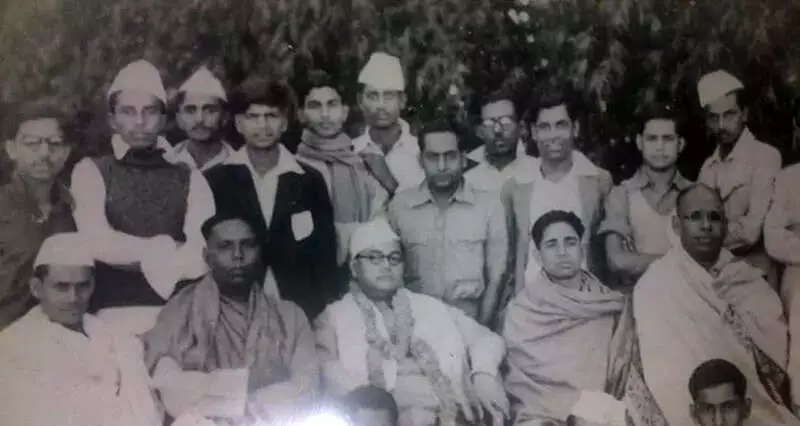
Today, this legacy is upheld by Vishnu Aikat, the grandson of Fanindra Nath and a retired central government employee. He has carefully preserved family photographs and the very chair used by Bose. "My grandmother Gauri Rani Aikat shared stories of how Netaji would return exhausted from his daily travels, sit on this chair, and speak about other freedom fighters who visited or corresponded with him during those days," Vishnu recounted. "She described how Bose mentioned many leaders by name, discussing plans and setbacks. We have maintained the house exactly as it was—no brick added, no room altered that he slept in. We even donated the comb and sandals he left behind to a museum in Purulia," he added.
This preservation effort underscores a deep commitment to honoring Bose's memory beyond the political sphere, focusing on the intimate moments that defined his time in Ranchi. The chair, though simple, serves as a powerful symbol of resilience and personal connection in India's fight for independence.