Months after the initial controversy, author Raynor Winn finds herself at the centre of a renewed storm. Fresh allegations from her own family and a detailed documentary investigation have once again cast a long shadow over the truthfulness of her bestselling memoir, The Salt Path. What was celebrated as a powerful story of redemption is now a complex case study on the fragile ethics of nonfiction writing.
The Core of the Renewed Controversy
The latest claims directly challenge the emotional foundation of Winn's narrative. The memoir portrays Winn and her husband, Moth, as victims of a friend's betrayal and catastrophic financial misfortune, which left them homeless and forced to walk the South West Coast Path. This core premise is now under intense scrutiny.
This week, Winn forcefully denied new allegations made by a niece. The relative claims that Winn took money from family during their financial crisis. Specifically, the niece alleges that Winn wrote a letter over a decade ago admitting to transferring £25,000 from her in-laws' account under pressure from lenders.
Winn has dismissed the letter as a "fabrication," denied any theft, and labelled the accusations part of a "false narrative." These personal claims echo and potentially deepen earlier reporting by The Observer, which suggested the couple's financial collapse might have stemmed from decisions linked to alleged misconduct, rather than the simple betrayal described in the book.
What the New Documentary Investigation Reveals
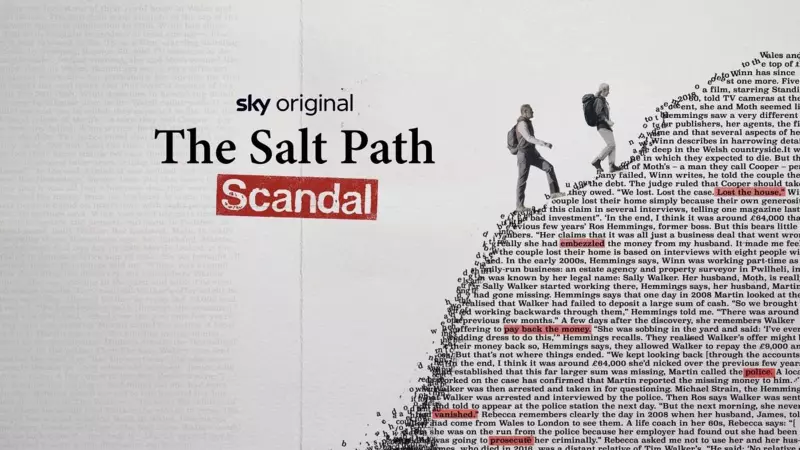
The allegations are examined in detail in The Salt Path Scandal, a new film from Sky Documentaries. The investigation, led by journalist Chloe Hadjimatheou, revisits prior reporting and adds significant new testimony and evidence.
The documentary presents several key points of contention:
- Former Colleagues & Financial Records: Ros Hemmings alleges that Winn took approximately £64,000 from her late husband's business while in an administrative role. Winn acknowledges that "mistakes were made" and states a settlement was reached, but she disputes the documentary's framing. The film presents evidence suggesting this episode was central to the repossession of the Winns' farmhouse.
- Family Testimony & The Disputed Letter: Relatives have produced a typed letter they claim was written by Winn. In it, the author allegedly pleads with her sister not to involve the bank, citing fear of prison due to a prior record. Winn denies writing this letter and declined to participate in the film.
- Medical Scrutiny: Medical specialists have questioned the memoir's timeline regarding Moth's diagnosis of corticobasal degeneration, a terminal condition. They note that his survival far exceeds the typical life expectancy for the disease, which complicates the book's redemptive arc. In response, the Winns have released medical letters confirming the diagnosis.
A Broader Reckoning for the Memoir Genre
This ongoing dispute has sharpened a critical tension now hanging over Winn's work and the memoir genre itself. It raises fundamental questions about how much latitude writers have in shaping lived experience and where the line lies between subjective truth and factual distortion.
The documentary powerfully captures the high emotional stakes for readers. One patient suffering from the same condition as Moth says the book gave him hope; if the account were misleading, "that hope is extinguished." At literary events, reactions from readers range from feeling betrayed to shrugging off the claims as an accepted part of storytelling.
For publishers and readers alike, this controversy underscores a broader reckoning. Memoirs trade on intimacy and authenticity, yet they often operate without the rigorous fact-checking safeguards of traditional journalism. Raynor Winn continues to insist that The Salt Path remains her honest recollection. However, as detailed allegations, named witnesses, and disputed documents continue to accumulate, the book's cultural legacy is increasingly defined not by the beauty of its landscapes, but by persistent, unresolved questions about the truth of the journey that inspired it all.