Historical Clarification Sheds Light on Nidigonda Temple Identity
In a significant historical clarification, the identity of the Muppeswaralayam in Nidigonda, located in Jangaon district, has been brought into renewed focus. Sriramoju Haragopal, convener of Kotha Telangana Charitra Brundam, has stated that the existing Trikuta Shaiva temple is not the original Muppeswaralayam Devara temple constructed in AD 1104. This revelation is based on inscriptional evidence and aims to correct a long-standing historical error.
Inscriptional Evidence Points to Two Distinct Temples
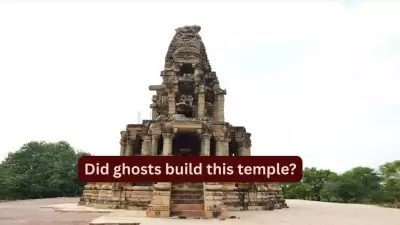
Citing inscriptions published in the Warangal District Inscriptions Volume, Haragopal explained that the temple currently standing in Nidigonda was actually built later, in AD 1219, by Kundamamba, the sister of Kakatiya Ganapati Deva. He emphasized that continuing to identify this structure as the Muppeswaralayam would constitute a historical inaccuracy. The inscriptional record clearly indicates the existence of two separate temples in the area.
Nidigonda is described as a settlement with evidence of human habitation spanning from prehistoric times to the medieval period. It features Jain, Shaiva, and Vaishnava religious centres, along with sculptural remains and numerous inscriptions. According to the material cited by Haragopal, three inscriptions from Nidigonda were published in the Warangal District Inscriptions Volume, while other short and long inscriptions remain unpublished on Patagutta.

Details from Published Inscriptions
Among the published inscriptions, one is a land donation record that lacks a date or specific details. Another inscription states that during the reign of Chalukya emperor Tribhuvanamalla Deva, Natavadi ruler Duggabhupati and his wife Muppamambika constructed the Muppeswara Devara temple. It records that on Uttarayana Sankranti in AD 1104, mandalika Duggirasa donated 20 marturulu lands behind Rattasamudram, along with Ketabarani, to Gundanibandeya Nerapu Kunta for the temple's daily rituals and angabhogas.
In contrast, the Kundamamba temple was established in AD 1219. Haragopal highlighted that the third inscription makes it clear that in AD 1219, Kundamamba, the sister of Kakati Ganapati Deva and wife of Natavadi Rudra, installed Shiva lingas in the names of her husband, her father Mahadeva, and her brother Ganapati, along with Madhava and Surya deities. She also made land donations in Kundapura Seema for this purpose.
Architectural and Historical Distinctions
Haragopal noted that the uncovered and unrestored temple now standing in Nidigonda is this Shaiva Trikuta temple established by Kundamamba, and not the Muppeswaralayam built by Muppamambika. He pointed out that the structure reflects the distinctive Kakatiya architectural style and drew attention to its temporal proximity to the Rudreshwara temple at Ramappa, which was completed in 1213. The Nidigonda temple, finished in 1219, came up just six years later and shows similarities in sculptural features, further supporting its Kakatiya origins.
Call to Correct a Long-Standing Mix-Up
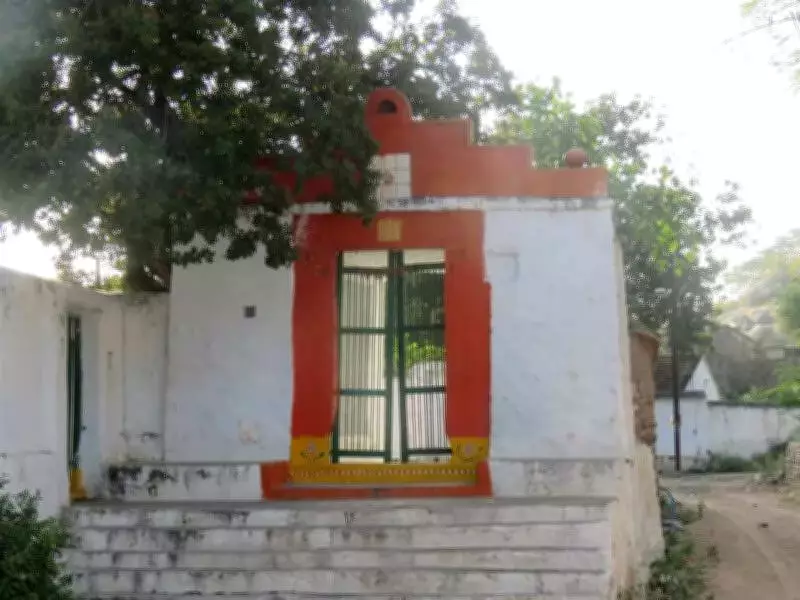
Haragopal explained that the confusion appears to stem from the later temple being identified locally or in some writings as Muppeswaralayam, despite clear inscriptional and architectural distinctions between the two shrines. He emphasized that the original Muppeswaralayam of AD 1104 would have belonged to the Kalyani Chalukya tradition, not the later Kakatiya style seen in the 1219 structure.
He further noted that the earlier temple underwent several renovations over time, leading to changes in its original form and features. Based on the sculptures currently available, he said the remains can be identified with a Kalyani Chalukya-style temple. With a gap of 115 years between the two constructions, equating Kundamamba's 1219 Trikutalaya with the earlier Muppeswaralayam is incorrect. Haragopal acknowledged that this mistake has been made in past writings about the site and stressed the need for correction to prevent the error from hardening into accepted history.
This clarification not only rectifies a historical inaccuracy but also enriches our understanding of Telangana's architectural and cultural heritage, highlighting the importance of meticulous research and inscriptional evidence in preserving historical accuracy.