A Vibrant Yellow Sea Marks Basant Panchami at Nizamuddin Dargah Amidst Rain
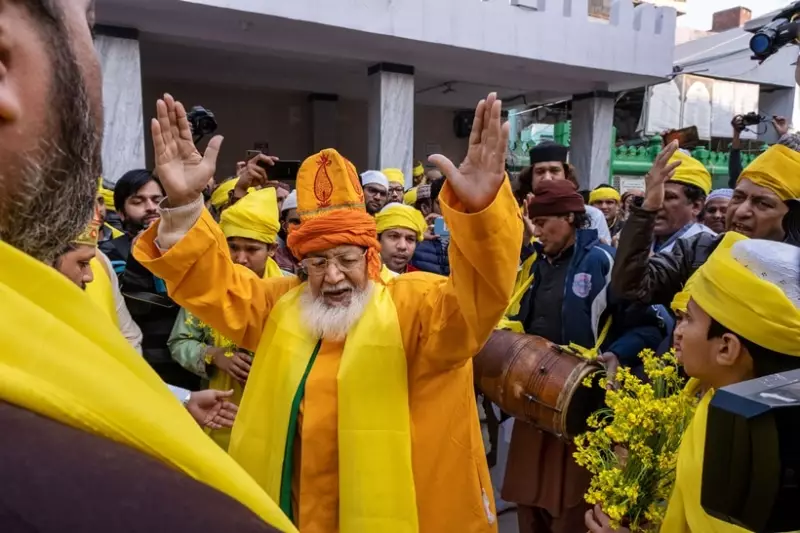
Even as heavy rain lashed Delhi on Friday, the Nizamuddin Auliya dargah transformed into a mesmerizing sea of yellow, with undeterred devotees clad in vibrant hues gathering for the annual Basant Panchami qawwali. Carrying mustard flowers and marigolds, the faithful celebrated the onset of spring, a tradition that has flourished for nearly 700 years at this revered Sufi shrine.
Symbol of Communal Harmony Faces Commercialization Concerns
Over the centuries, the Basant Panchami celebrations at the dargah have evolved into a powerful symbol of Ganga-Jamuni tehzeeb, exemplifying communal harmony and tolerance. However, this year, the dargah committee has raised alarms over what it terms the commercialization of the event by certain heritage walk groups. On January 16, the official Instagram handle of Hazrat Nizamuddin Auliya Dargah issued a stern warning, cautioning visitors against fake pages selling tickets for the Sufi Basant programme.
Anis Nizami, the current Sajjada Nashin and caretaker of the dargah, clarified in an interview with The Indian Express that while the dargah isn't fundamentally opposed to commercial heritage walks, the post was prompted by groups charging exorbitant fees to guide visitors through the dargah's lanes and to attend the weekly Qawwali performances. One can enjoy the Qawwali show free of cost. It has always been free, Nizami emphasized, recounting an incident where an audience member protested a paused performance, mistakenly believing they had paid for tickets.

Artists and Devotees Uphold the Spirit of Free Access
Harshit, an artist who conducts heritage walks at the dargah, echoed the committee's stance, stating he offers his walks for free to promote awareness of the acceptance and love embodied by the tradition. The light of Ganga-Jamuni tehzeeb is flickering, it's dying. I feel that as an artist, it's my responsibility to keep the light alive, he expressed, highlighting the cultural significance of the event beyond monetary gains.
Historical Roots: Amir Khusrau's Poetic Gesture
The celebration traces its origins to a poignant historical episode. Grieving the death of his nephew, Sufi saint Nizamuddin Auliya retreated into mourning, refusing to meet anyone. His disciple, Amir Khusrau, longing to see his teacher smile, composed verses inspired by women dressed in yellow offering gratitude for a bountiful spring harvest. I am doing all this to make you smile, Khusrau reportedly told the saint, and after six months, Nizamuddin Auliya finally smiled, birthing this enduring tradition.
On Basant Panchami, the qawwali singers perform exclusively the verses attributed to Khusrau, beckoning the saint to emerge from winter's grief. The dargah, adorned in yellow, attracts approximately half a lakh visitors, with devotees wearing yellow turbans, offering flowers, and draping a yellow chadar over the saint's tomb to symbolize joy and spring's arrival.
This year's celebrations, despite the rain, underscored the resilience of a tradition that bridges religious and cultural divides, even as it navigates modern challenges of commercialization.