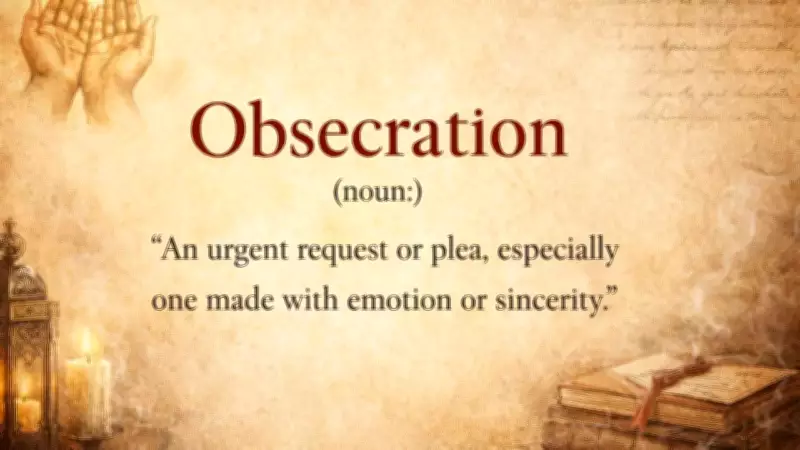
Understanding Obsecration: The Powerful Word for Urgent, Emotional Pleas
Language is rich with words that capture the intensity of human emotions, and some terms specifically describe strong, heartfelt appeals. One such word is obsecration, which stands out for its depth and urgency. In everyday life, we often make requests or show concern, but there are moments when an appeal becomes more profound—driven by distress, desperation, or deep emotional need. Obsecration is a rare English word that encapsulates this type of fervent plea, offering a nuanced way to express sincere supplication.
What Is the Meaning of Obsecration?
Obsecration refers to an urgent request or plea, characterized by strong emotion and sincerity. It involves the act of imploring or begging someone with great humility and seriousness. Typically used in formal or literary settings, this word conveys a passionate appeal where a person earnestly asks for something, often in a context of reverence or desperation.
Pronunciation and Origin of Obsecration
The pronunciation of obsecration is ob-sek-RAY-shun, with the stress on the third syllable: "RAY." Phonetically, it is spelled as /ˌɒb.sɪˈkreɪ.ʃən/. The word originates from the Latin term obsecratio, meaning "an entreaty" or "an earnest supplication," derived from the verb obsecrare, which translates to "to beseech" or "to plead earnestly." Historically, obsecration was linked to solemn appeals made to gods or authorities, and it was revived through scholarly and religious writings, gaining usage as a literary term for passionate pleas.

How to Use Obsecration in Sentences
- His voice carried a tone of obsecration as he begged the council to reconsider their decision.
- The prayer was filled with obsecration, asking for mercy and protection.
- She spoke with quiet obsecration, hoping someone would finally listen to her plea.
- The letter contained a heartfelt obsecration for help during difficult times.
Synonyms and Antonyms of Obsecration
Synonyms: Supplication, entreaty, plea, appeal, petition.
Antonyms: Demand, command, order, assertion, declaration.
Why Obsecration Matters in Language
Although obsecration is not commonly used in daily conversation, it remains a powerful and meaningful word that enriches our vocabulary. It highlights the emotional depth of appeals in contexts like literature, religion, and formal speeches, where individuals humbly seek assistance from higher authorities or others. By understanding words like obsecration, we can better articulate the nuances of human emotion and communication.