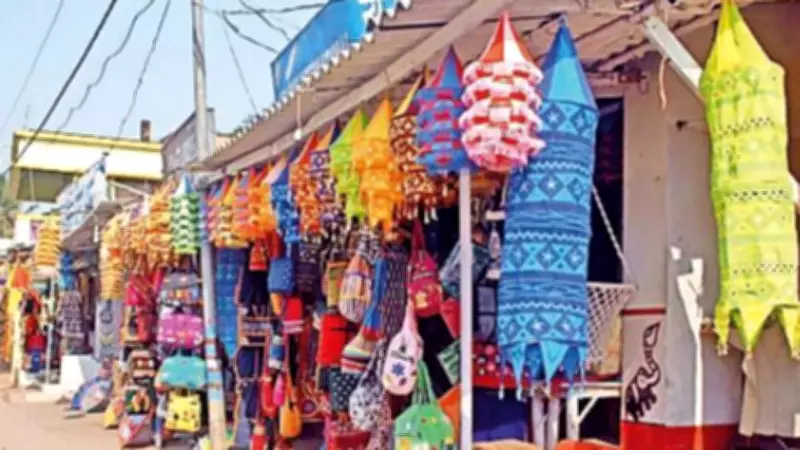
Odisha Government Announces New Pipili Chandua Bazaar to Revitalize Traditional Craft
In a significant move to support traditional artisans, Odisha Chief Minister Mohan Charan Majhi has announced the establishment of a dedicated Pipili Chandua Bazaar near the bypass road in the state budget. This initiative aims to breathe new life into the centuries-old applique craft, which has faced severe business declines due to infrastructure changes and external challenges.
Addressing the Impact of Highway Construction on Craft Sales
The construction of NH-316, particularly the bypass completed in 2015, drastically reduced tourist visibility and footfall in Pipili, a historic hub for Chandua artisans. Previously, tourists traveling between Bhubaneswar and Puri or Konark would pass through Pipili, bringing steady business to the craftspersons. However, the new highway route diverted traffic away from the town, leading to a sharp drop in sales.
Chief Minister Majhi emphasized that Pipili Chandua is not just a colorful traditional craft with a Geographical Indication (GI) tag but also holds strong cultural and religious connections to the Jagannath Temple in Puri. He noted that many artisan families rely on this craft for their livelihood, making its revival a priority for the government.

Detailed Plan for the New Chandua Bazaar
The government has outlined a comprehensive plan to construct the new Pipili Chandua Bazaar near the Pipili toll plaza. This facility will feature modern amenities designed to attract tourists and provide a dedicated marketplace for artisans. The goal is to enhance visibility, improve sales, and preserve this traditional textile art form.
Pipili, located in Puri district along the busy Bhubaneswar-Puri corridor, is home to approximately 500 artisan families. Among these, 40 families reside in Darji Sahi, the historic epicenter of the applique craft. Both sides of Darji Sahi are lined with shops selling Chandua, but the lack of tourist access has severely impacted their economy.
Challenges Faced by Artisans and Craft Revival Efforts
Heritage activist and researcher Anita Sabat highlighted that the situation worsened with subsequent cyclones and the Covid-19 pandemic, forcing many traditional artisans to abandon the craft and seek alternative livelihoods. This exodus has created a supply shortage, as noted by Chandua artisan Benudhar Mohapatra.
"Post-pandemic, the demand for Pipili Chandua increased, but there are not enough craftspersons now to supply the same," Mohapatra explained. He added that the Chandua Bazaar has been a longstanding demand to revitalize the craft economy. The proposed bazaar is expected to include a manufacturing hub, demonstration center, and tourism amenities, allowing visitors to rest, experience craft-making, and purchase authentic products.
Current Developments and Future Recommendations
Construction of nearly 100 shops is already underway near the bypass, signaling progress toward the bazaar's realization. Mohapatra, who is also part of the Pipili Cooperative Society, expressed optimism that this initiative will improve artisans' conditions and sustain the craft for future generations.
However, Anita Sabat cautioned that alongside the bazaar, the government must take measures to maintain the originality of Pipili Chandua. She pointed out that not all artisans practice the traditional craft authentically, with some passing off applique from other states as genuine Pipili Chandua. Ensuring quality and authenticity will be crucial for the craft's long-term revival and reputation.
This budget announcement marks a hopeful step toward preserving Odisha's rich cultural heritage while supporting the livelihoods of traditional artisans who have kept the Pipili Chandua craft alive through challenging times.