Inter-Tribe Marriage in Odisha Sparks Controversial Community Penalty
In a disturbing incident that underscores persistent caste and tribal divisions in rural India, a 22-year-old tribal man from Odisha's Koraput district was reportedly compelled to pay a hefty fine of Rs 90,000, organize a community feast, and submit to public head-shaving as punishment for marrying a woman from another tribe. The woman, also aged 22, faced similar social ostracization due to the union.
Details of the Forced Settlement Ceremony
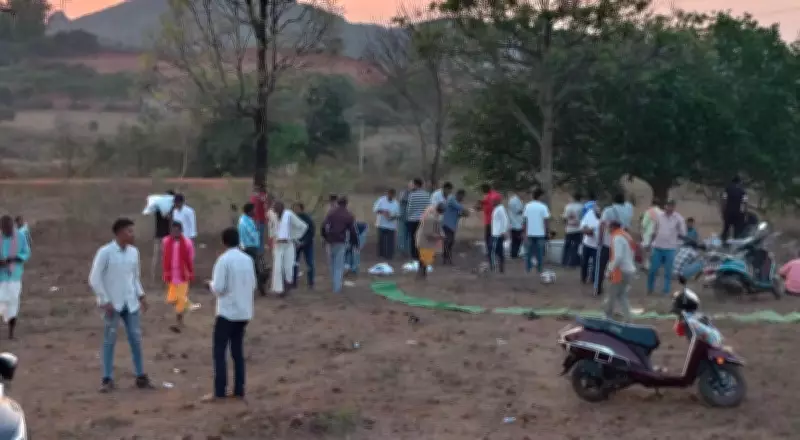
The event unfolded on a Sunday afternoon, merely two kilometers from the Koraput district headquarters, in a forested area near Chappar village. Under makeshift tents, members of the local community gathered for what appeared to be a traditional settlement ceremony. Amid the preparation of meat and rice dishes and the exchange of money, the young couple's marriage was formally accepted—but only after the groom endured a severe social penalty.
Maheswar Khila, a resident of Kumbhar Sahi in Jeypore town who has completed Class X and works odd jobs, had been in a long-standing relationship with Urmila Khada from the tribal Rana community. Maheswar belongs to the Mali community, and the caste difference with Urmila became a significant obstacle, with both families initially disapproving of their marriage.

Community Intervention and Harsh Conditions
Faced with staunch opposition, the couple allegedly eloped and stayed away from the area for some time. Their absence, however, prompted deliberations within the Mali community, which eventually convened a meeting to address the issue. According to Bharat Mali, a community member, the elders decided on a set of stringent conditions for Maheswar.
"It was decided by the community seniors that Maheswar would have to publicly shave his head, organize a feast of meat and rice for community members, and pay a penalty of Rs 90,000. Only upon fulfilling these conditions would the marriage be recognized and Urmila allowed entry into her husband's home," Bharat stated. He confirmed that on the appointed day, all directives were carried out in full.
The financial burden of the Rs 90,000 fine was borne by Maheswar's father, Ananta Khila, a farmer, highlighting the economic strain such traditional penalties can impose on families. When contacted, the groom declined to comment on the incident, possibly due to fear or social pressure.
Broader Implications and Regional Context
This incident sheds light on the deep-rooted caste and tribal prejudices that continue to plague parts of Odisha, particularly in tribal hinterlands like Koraput. Despite legal protections and progressive laws, traditional community norms often override individual rights, leading to such coercive practices.
Koraput, a region frequently covered by journalists like Satyanarayan Pattnaik, who focuses on tribal development and socio-political affairs, faces ongoing challenges related to Left Wing Extremism and social transformation. Cases like this emphasize the urgent need for greater awareness and enforcement of laws against caste-based discrimination and forced settlements.
The public nature of the penalty—including the head-shaving and feast—serves as a stark reminder of how community elders can exert control over personal choices, potentially deterring others from similar inter-caste or inter-tribe marriages. As Odisha undergoes rapid changes, balancing tradition with modernity remains a critical issue for its tribal communities.