During my deputation from the Railways to RITES Limited, I was posted in Ludhiana. As my tenure neared completion in 2005, I was busy packing one evening when my landlord suggested a walk. Hoping to clear my mind, I agreed.
An Unexpected Encounter
We went to the nearby Rose Garden, where the peaceful surroundings offered comfort. As we walked, we met a group of elderly men we occasionally saw there. After greetings and introductions, I asked about their families. Some exchanged glances. Finally, one replied with a sigh, "We are discarded people."
His words startled me. Sensing my surprise, he explained they lived in an old-age home. Since they all appeared from well-to-do families, I was shocked.

Two Types of Homes
One of them explained that Ludhiana had two types of old-age homes: one for the poor and another with better facilities for those who could pay. I hesitated but asked, "If they are financially secure, why do they live there?"
The old man replied quietly, "Because they are not safe in their own homes."
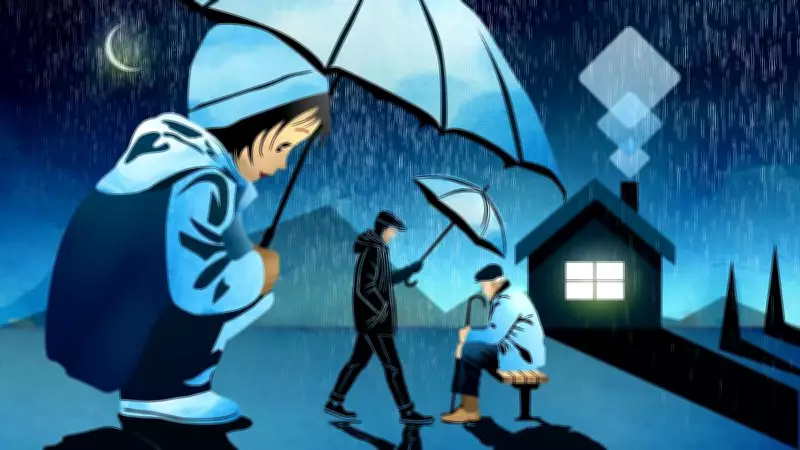
That sentence left me deeply disturbed. As they walked away, I stood still, reflecting on what I had heard. It was not just about ageing—it was about the loss of trust, changing family values, and the loneliness that often accompanies modern life.
A Lasting Lesson
Even today, that brief encounter remains etched in my mind. It taught me that true progress is not measured by wealth or comfort, but by the respect and security we give to our elders. If those who once protected and nurtured us begin to feel unsafe among us, it is a serious reflection on our society.
We must remember that the way we treat our elders today is the way we may be treated tomorrow.
GP Singh Sandhu, Mohali
Tribuneindia.com invites contributions to SHAHARNAMA. Share anecdotes, unforgettable incidents, or impressionable moments that define your cities, neighborhoods, what the city stands for, and what makes its people who they are. Send your contributions in English, not exceeding 250 words, to shaharnama@tribunemail.com. Please include the name of your city and your social media handles (X/Twitter, Instagram, Facebook, LinkedIn).