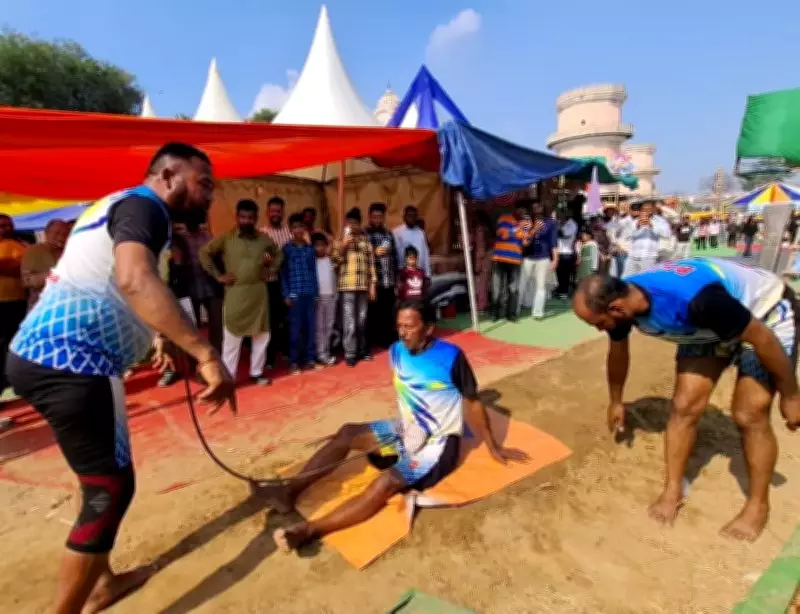
Patiala's Bazigar Community Fights to Preserve a Vanishing Folk Art Form
In the historic city of Patiala, Punjab, the Bazigar community is engaged in a determined struggle to keep their traditional folk art alive. This unique cultural expression, which has been passed down through generations, is now facing the threat of extinction due to a combination of modern influences, shifting societal interests, and insufficient institutional support. The art form, characterized by its vibrant performances, intricate storytelling, and rhythmic music, is an integral part of the Bazigar identity and heritage.
The Rich Legacy of Bazigar Folk Art
The Bazigar folk art is a multifaceted tradition that encompasses a variety of artistic elements. It includes dynamic dance routines, soulful singing, and compelling narratives that often depict historical events, social issues, and mythological tales. The performers, known for their agility and expressive skills, use traditional instruments and colorful costumes to create immersive experiences for audiences. This art has historically served as a means of entertainment, social commentary, and community bonding within the Bazigar society.
Challenges Threatening the Art's Survival
Despite its cultural significance, the Bazigar folk art is grappling with numerous challenges that jeopardize its continuity. The rise of digital media and contemporary entertainment options has led to a decline in audience interest, particularly among younger generations who are more drawn to modern forms of amusement. Additionally, economic pressures have forced many artists to seek alternative livelihoods, resulting in a shortage of skilled practitioners. The lack of formal recognition and funding from governmental and cultural organizations further exacerbates the situation, making it difficult to sustain training programs and public performances.

Community-Led Revival Efforts
In response to these threats, members of the Bazigar community in Patiala have initiated several grassroots efforts to revive and promote their art. Key initiatives include:
- Organizing regular workshops and training sessions to teach the younger generation the techniques and nuances of the art form.
- Hosting public performances and cultural festivals to raise awareness and attract wider audiences.
- Collaborating with local schools and colleges to integrate Bazigar art into educational curricula, fostering appreciation from an early age.
- Seeking partnerships with non-governmental organizations and cultural bodies to secure funding and logistical support for preservation projects.
The Importance of Cultural Preservation
Preserving the Bazigar folk art is not merely about saving an artistic tradition; it is about safeguarding a vital piece of Punjab's cultural mosaic. This art form offers insights into the history, values, and social dynamics of the Bazigar community, contributing to the region's diverse heritage. Efforts to keep it alive are crucial for maintaining cultural diversity and promoting intergenerational knowledge transfer. As one community elder noted, "Our art is our voice; losing it would mean silencing a part of our identity."
Looking Ahead: A Call for Broader Support
While the Bazigar community's efforts are commendable, long-term sustainability requires broader societal and institutional involvement. There is a pressing need for:
- Increased government funding and policy support to recognize and protect intangible cultural heritage.
- Greater media coverage and documentation to archive and promote the art form.
- Encouragement of tourism and cultural exchanges that highlight Bazigar performances as unique attractions.
- Fostering a sense of pride and ownership among the youth to ensure they carry the tradition forward.
In conclusion, the fight to preserve the dying art of the Bazigars in Patiala is a poignant reminder of the fragility of cultural traditions in a rapidly changing world. Through dedicated community action and enhanced support systems, there is hope that this vibrant folk art can be revitalized and cherished for generations to come.