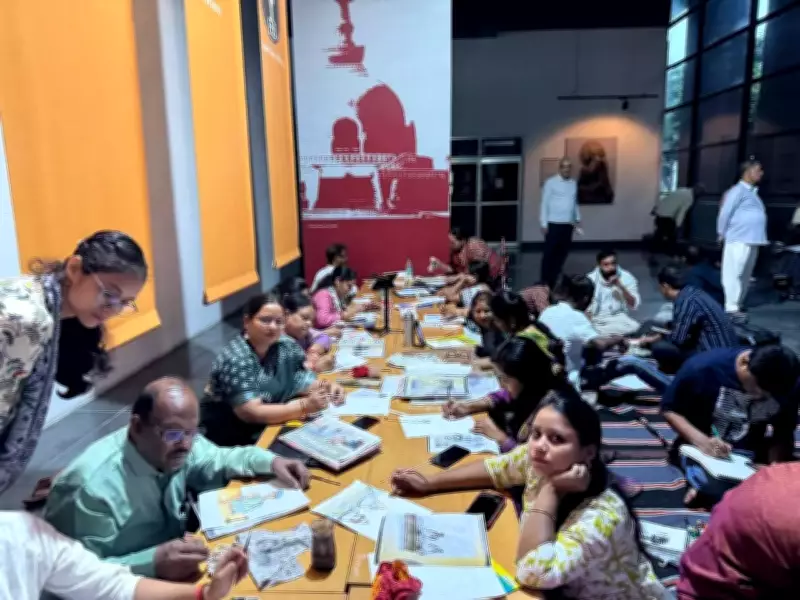
Patna Kalam: The Artistic Fusion That Defined a Region
In the heart of Bihar, a remarkable artistic tradition known as Patna Kalam emerged, seamlessly blending the meticulous precision of Mughal artistry with the vivid realism of European painting techniques. This unique school of painting, which flourished in the 18th and 19th centuries, represents a fascinating cultural synthesis that continues to captivate art historians and enthusiasts alike.
The Historical Roots and Evolution
The origins of Patna Kalam can be traced back to the late Mughal period, when artists in the region began incorporating elements from European art brought by traders and colonizers. Unlike the grand, courtly themes of traditional Mughal miniatures, Patna Kalam artists focused on everyday life, depicting scenes from local markets, domestic settings, and religious festivals with unprecedented detail and naturalism.
Key characteristics of this style include:

- Mughal Precision: Intricate detailing, fine brushwork, and vibrant color palettes inherited from Mughal miniature traditions.
- European Realism: Use of perspective, shading, and lifelike proportions inspired by Western art forms.
- Local Themes: Emphasis on Bihar's socio-cultural life, making it a distinctly regional expression.
Artistic Techniques and Innovations
Artists of Patna Kalam employed innovative techniques to achieve their distinctive aesthetic. They often used watercolors on paper, combining the delicate transparency of Mughal methods with the bold, realistic portrayals seen in European works. This hybrid approach allowed for greater expressiveness and depth, setting Patna Kalam apart from other Indian painting schools.
Notably, the school's practitioners were among the first in India to depict common people and daily activities with the same reverence previously reserved for royalty and deities. This democratization of subject matter reflected broader social changes and the influence of European humanist ideals.
Cultural Significance and Legacy
Patna Kalam is more than just an artistic style; it is a testament to Bihar's historical role as a crossroads of cultures. The fusion of Mughal and European elements symbolizes the region's adaptability and creative resilience in the face of changing political and social landscapes.
Today, efforts are underway to preserve and promote this heritage through museums, exhibitions, and academic research. Institutions in Patna and beyond are working to document surviving works and revive interest in this unique artistic tradition, ensuring that future generations can appreciate its historical and aesthetic value.
In conclusion, Patna Kalam stands as a vibrant example of cultural synthesis, where Mughal precision meets European realism to create something entirely new and enduring. Its legacy continues to inspire artists and scholars, reminding us of the rich, interconnected history of Indian art.