

Jaipur's Pink Elephant Photo Shoot Sparks Animal Abuse Outrage Online
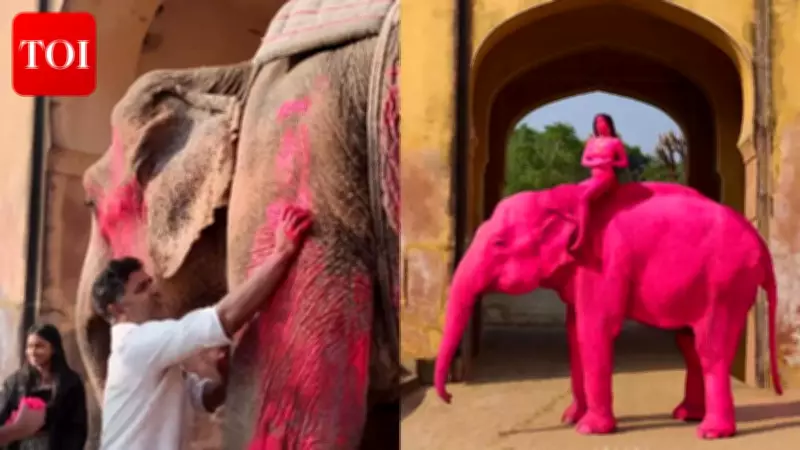
The typically serene and tourist-friendly streets of Jaipur, Rajasthan's iconic pink city, have become the epicenter of a heated digital uproar demanding an immediate halt to animal mistreatment and exploitation. This wave of public indignation has been fueled by the widespread circulation of controversial photographs depicting a woman adorned in pink attire seated atop a fully pink-colored elephant.
From Artistic Vision to Viral Controversy
At first glance, many observers might mistakenly attribute the surreal imagery to advanced artificial intelligence generation or digital manipulation. However, thorough investigation confirms this was a tangible human endeavor brought to life. The photoshoot was orchestrated by Russian travel photographer Julia Buruleva, who spent six immersive weeks in Jaipur gathering inspiration.
Buruleva explained that the city's famous pink architecture and vibrant aesthetic directly inspired her unconventional creative concept. She aimed to feature a pink elephant alongside model Yashasvi against a heritage backdrop, viewing elephants as quintessential symbols of Rajasthan's cultural identity. For the photographer, incorporating the majestic animal felt fundamentally necessary to authentically represent the region's spirit.

Social Media Erupts in Condemnation
Nevertheless, for countless viewers across social media platforms, the photographs failed to eloquently celebrate Rajasthani heritage. Instead, they highlighted what many perceive as excessive liberties taken under the banner of creative freedom, particularly the decision to paint an entire living elephant pink. As the images proliferated online, a torrent of criticism targeted Buruleva and animal rights authorities for permitting the act.
One user on X, formerly known as Twitter, vehemently protested: "STOP abusing animals!!! You can easily add color during post-production or utilize AI tools. Conduct proper research and refrain from involving animals in such stunts."
Another commenter condemned the photographer's approach: "The 'foreign artist,' Julia Buruleva, proudly asserts she avoids digital fabrication or AI, staging each work in real space—like painting an elephant pink because the helpless creature cannot protest while she holds all the power."
Additional reactions included pointed questions about animal welfare organizations' responsiveness, with one person asking, "Where is PETA when animals genuinely need protection?" Others accused the photographer of creating "rage bait" for attention, bluntly stating, "Stop labeling exploitation as art. This is profoundly sad."
Debates Over Double Standards and Defense
Some social media users highlighted potential double standards in the public reaction. One observer noted that if an Indian artist had conducted a similar photoshoot domestically or abroad, the backlash would likely be "unreal," with the artist branded as "uneducated" and facing severe condemnation. They speculated that because a foreign artist was involved, the controversy might receive limited viral traction and fleeting media coverage.
In her defense, Buruleva clarified that the pink paint applied to the elephant was organic and locally sourced, resembling traditional colors used on elephants during festive occasions in India. She detailed a meticulous process involving multiple visits to elephant facilities, persistent efforts to secure official permissions, and scouting for appropriate locations. Ultimately, she selected an abandoned temple dedicated to Lord Ganesha as the photoshoot setting, as mentioned in her Instagram post.
Owner's Account and Elephant's Fate
Shadik Khan, the elephant's owner, identified the animal as Chanchal, a 65-year-old female. He emphasized that Chanchal was no longer employed for tourist rides and assured that only kaccha gulal, a natural colored powder, was applied to her body for a brief ten-minute period before being promptly washed off. Khan added that Chanchal passed away in February due to natural causes, asserting that no harm resulted from the photoshoot.

Despite these explanations, the incident continues to provoke intense discussions about ethical boundaries in artistic expression, animal rights protections, and the responsibilities of creators when involving live animals in their projects. The controversy underscores growing public sensitivity toward animal welfare in the digital age, where viral content can swiftly amplify calls for accountability and change.





