Pohela Boishakh 2026: A Joyous Celebration of Bengali New Year
Pohela Boishakh, also known as Poila Baisakh or Nobo Borsho, stands as one of the most significant festivals celebrated by the Bengali community. This vibrant occasion marks the commencement of the Bengali New Year, symbolizing fresh beginnings, prosperity, and optimism. In 2026, this auspicious day falls on April 15, heralding the start of the Bengali Era 1433 with traditional fervor across India.
Date and Time of Pohela Boishakh 2026
The Bengali New Year is being observed today, April 15, 2026, with celebrations unfolding in various regions. According to the Bengali calendar, the Sankranti moment for Pohela Boishakh occurred at 09:39 AM on April 14, setting the stage for the festivities. This timing holds cultural and astrological importance, aligning with the transition into the new year.
Significance and Cultural Importance
Pohela Boishakh is not merely a festival; it is a cornerstone of Bengali heritage, primarily celebrated in states like West Bengal, Tripura, Jharkhand, and Assam. The term Nobo Borsho translates to New Year in Bengali, encapsulating the essence of renewal and hope. This day is considered extremely fortunate in the Bengali calendar, making it an ideal time for launching new businesses, embarking on ventures, purchasing homes or vehicles, and setting positive intentions for the future.

The festival represents a symbolic break from the past, encouraging individuals to embrace new opportunities with optimism. It marks the beginning of the Bengali Era 1433, a period filled with aspirations for growth and happiness. Communities come together to honor traditions, reinforcing cultural bonds and shared values.
Traditional Celebrations and Rituals
On Pohela Boishakh, the air is filled with joy and reverence as people engage in various customs:
- Attire and Greetings: Women adorn beautiful sarees, while men dress in elegant kurtas, reflecting the festive spirit. Families and friends exchange warm greetings, often inviting loved ones to share in the celebrations.
- Feasts and Fairs: Special meals are prepared, featuring traditional Bengali dishes that are enjoyed collectively. Village fairs are organized, offering a glimpse into local culture through handicrafts, music, and dance.
- Religious Observances: Many visit temples to pray to deities like Goddess Lakshmi and Lord Ganesha, seeking blessings for prosperity. Fasts are observed, and prayers are offered to honor the auspiciousness of the day.
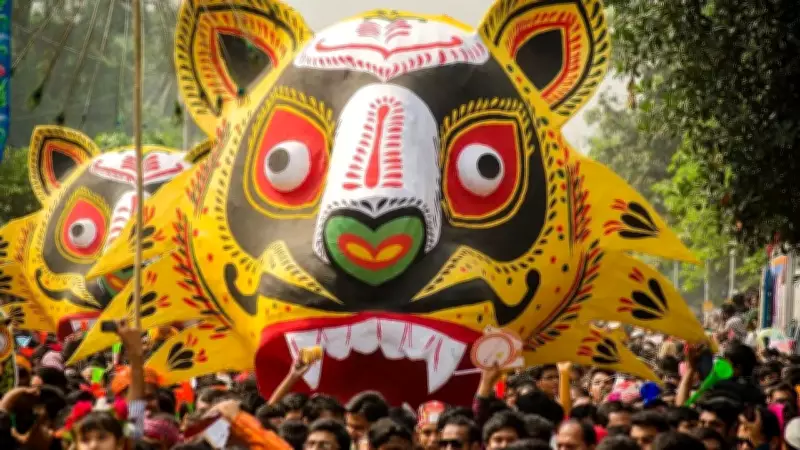
- Cultural Activities: Processions, singing of traditional songs, and folk dances are common, as people believe these activities bring good fortune. The display of handicrafts adds to the cultural richness of the celebrations.
- New Beginnings: It is customary to wear new outfits, prepare sweet dishes at home, and purchase auspicious items, symbolizing a fresh start and abundance in the coming year.
These rituals not only preserve Bengali traditions but also foster a sense of community and shared heritage, making Pohela Boishakh a deeply meaningful event for all who participate.