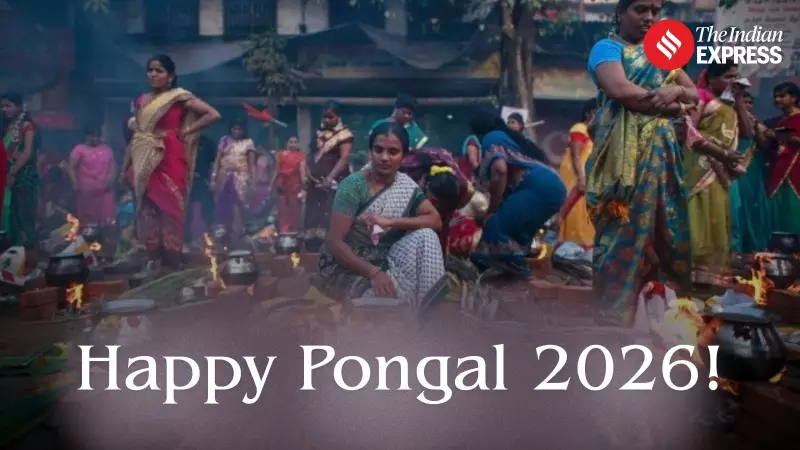
The vibrant and auspicious harvest festival of Pongal, a cornerstone of Tamil culture, is set to be celebrated with great fervor in January 2026. This festival, dedicated to expressing gratitude to nature and the Sun God, marks the sun's northward journey and the arrival of the harvest season.
Pongal 2026: Key Dates and Four-Day Celebration Schedule
In 2026, the main day of Thai Pongal coincides with Makar Sankranti, both falling on Wednesday, January 14. According to Drik Panchang, the precise Thai Pongal Sankranti Moment will occur at 03:13 PM. The festivities span four distinct days, each with its own unique significance and customs.
The celebration calendar for Pongal 2026 is as follows:

- Bhogi Pandigai: Tuesday, January 13, 2026. This day is dedicated to cleansing and discarding the old to welcome the new, often symbolized by a ceremonial bonfire.
- Thai Pongal / Makar Sankranti: Wednesday, January 14, 2026. The primary day involves the worship of Surya, the Sun God, and the ceremonial cooking of the first rice of the harvest.
- Mattu Pongal: Thursday, January 15, 2026. Cattle, essential partners in farming, are honored, decorated, and thanked for their hard work.
- Kaanum Pongal: Friday, January 16, 2026. The festivities conclude with family reunions, social visits, and outings.
The History and Profound Significance of Pongal
The festival derives its name from the traditional sweet dish 'Pongal', which literally means 'to boil over'. This dish, prepared with the new harvest of rice cooked in milk and jaggery, is first offered to the deities before being shared among family. The practice of making Pongal has deep historical roots, with references dating back to the Chola dynasty. Historical manuscripts and temple inscriptions from the Chola and Vijayanagara empires even contain specific recipes for this celebratory dish.
A popular legend associated with the festival involves Lord Shiva and his bull, Basava. As the story goes, Lord Shiva sent Basava to Earth with a message for humanity to bathe daily and eat once a month. Basava mistakenly instructed people to eat daily. This error angered Lord Shiva, who then banished Basava to Earth forever to help humans produce more food, thus explaining the origin of cattle in agriculture.
At its core, Pongal is a festival of thanksgiving. Farmers express their gratitude to the natural elements—the sun, rain, and the land—and to the animals that make agriculture possible. It is a celebration of prosperity, abundance, and the inseparable bond between humans and nature.
How Pongal is Celebrated: Rituals and Traditions
The celebrations are a beautiful tapestry of rituals, art, and community bonding. On Thai Pongal, the most iconic ritual is the cooking of the Pongal dish in a new clay pot outdoors. As the milk and rice boil over, families joyously shout 'Pongalo Pongal!', symbolizing prosperity and overflow of blessings.
Homes are adorned with colorful Kolam designs drawn at the entrance using rice flour. On Mattu Pongal, cattle are bathed, their horns are painted, and they are adorned with bells, garlands, and beads. They are offered special treats and paraded in a display of gratitude.
The final day, Kaanum Pongal, is reserved for socializing. People visit relatives, go on picnics, and enjoy time with loved ones, strengthening community bonds. The festival, thus, beautifully weaves together spirituality, agriculture, and social life into a four-day cultural extravaganza celebrated by Tamilians across the globe.