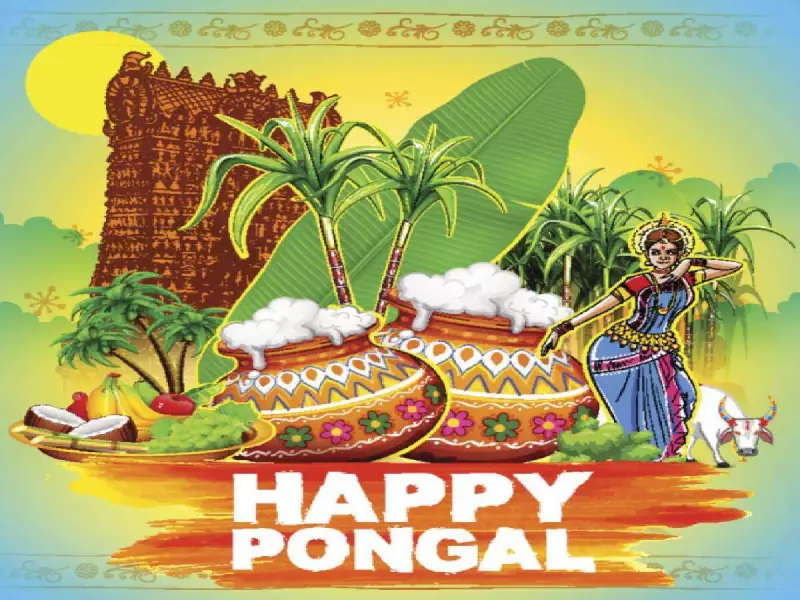
Pongal marks a vibrant four-day celebration in South India, specifically Tamil Nadu. This festival arrives around mid-January each year. It coincides with the harvest of new crops like sugarcane, turmeric, and rice. The timing is significant as it dedicates the festivities to Surya Devta, the Sun God. His northward journey, known as Uttaraayanam, brings an end to the winter solstice.
A Pan-Indian Celebration with Many Names
While Pongal is deeply rooted in Tamil culture, similar harvest festivals occur nationwide. These celebrations share the same core significance but go by different regional names. In Uttar Pradesh, people celebrate it as 'Bhogali Bihu' or 'Khichri'. Punjab and northern India know it as 'Lohri'. States like Andhra Pradesh, West Bengal, Karnataka, and Telangana observe 'Makar Sankranti'. This diversity highlights the festival's widespread agricultural importance across India.
The Four Days of Pongal Festivities
Pongal unfolds with great pomp and distinct rituals for each day. The festival sequence is structured and meaningful.

Bhogi Festival: The First Day
Pongal commences with Bhogi, a day honoring Indra, the rain god. Households gather old and useless items. They burn these in a ceremonial bonfire, symbolizing renewal and the discarding of the past. A popular legend links this day to Lord Kanha, another name for Krishna. The story tells how he lifted the Goverdhan Mountain with his little finger. This divine act saved villagers and their cattle from Indra's wrathful rains.
Thai Pongal: The Second Day
The second day, Thai Pongal, is dedicated to the Sun God. A special ritual takes place under the open sky. Families prepare the traditional sweet dish called 'pongal' in an earthen pot. This dish combines rice and lentils boiled in milk and jaggery. After cooking, the sweet pongal is offered to Surya Devta as a gesture of gratitude for the harvest.
Mattu Pongal: The Third Day
Mattu Pongal shifts focus to cattle, essential partners in farming. On this day, farmers bathe their cows and bulls. They then decorate the animals with colorful garlands, bells, and paints. People worship the cattle to thank them for their labor. In some regions, traditional bull fights are also organized as part of the celebrations. An interesting legend explains this day's origin. Lord Shiva, or Mahadev, once sent his bull vahana, Nandi, to deliver a message to humans. Nandi was supposed to tell people to take an oil bath daily and eat once a month. However, he mistakenly instructed them to eat daily and bathe in oil once a month. This error angered Shiva. As a consequence, he ordered Nandi to remain on Earth. His new duty was to help humans harvest crops so they could indeed eat daily.
Kannum Pongal: The Fourth Day
The final day, Kannum Pongal, involves several family-oriented rituals. People place leftover sweet pongal and other food items on turmeric leaves. They arrange these offerings alongside sugarcane, betel leaves, and betel nuts. Sisters also perform special prayers for the well-being and prosperity of their brothers on this auspicious day.
Festival Wishes and Greetings
Exchanging warm wishes is a key part of Pongal. People send heartfelt messages to loved ones, celebrating joy and prosperity.
Common greetings include wishes for happiness and the diminishing of worries. Many messages hope the festival brings good luck, success, and harmony into homes. The sweetness of the pongal dish, made with milk and jaggery, often symbolizes the sweetness desired in life. Families and friends meet to share meals and admire the beautiful kolam decorations drawn at entrances.
Pongal is more than just a festival; it is a heartfelt thanksgiving to nature, cattle, and the divine. It weaves together agriculture, mythology, and community in a vibrant four-day celebration that strengthens cultural bonds across India.