In the vibrant traditions of South India, Pongal heralds the conclusion of the winter solstice. This significant festival pays homage to Surya, the revered Solar deity. It aligns with Makar Sankranti, the celebrated harvest festival observed across North India.
The Four Days of Pongal Celebrations
The Pongal festival unfolds over three primary days known as Bhogi Pongal, Surya Pongal, and Maattu Pongal. In certain regions of Tamil Nadu, a fourth day called Kaanum Pongal adds to the festivities. This period coincides with the sun's entry into the Capricorn zodiac sign.
The Meaning and Ritual of "Pongal"
The festival derives its name from the traditional dish "Pongal," which translates to "to boil" or "overflow." This ancient preparation involves boiling rice in milk and sweetening it with jaggery, a form of raw sugar.

Families prepare Pongal using time-honored methods. They first offer the dish to the gods and goddesses, particularly the goddess Pongal. Subsequently, they present it to their cattle during Mattu Pongal. Finally, they distribute the Pongal among family members.
Festive Customs and Decorations
People engage in various traditional activities during Pongal. They adorn their pet cows with colorful decorations. Ritual bathing and lively processions form an integral part of the celebrations.
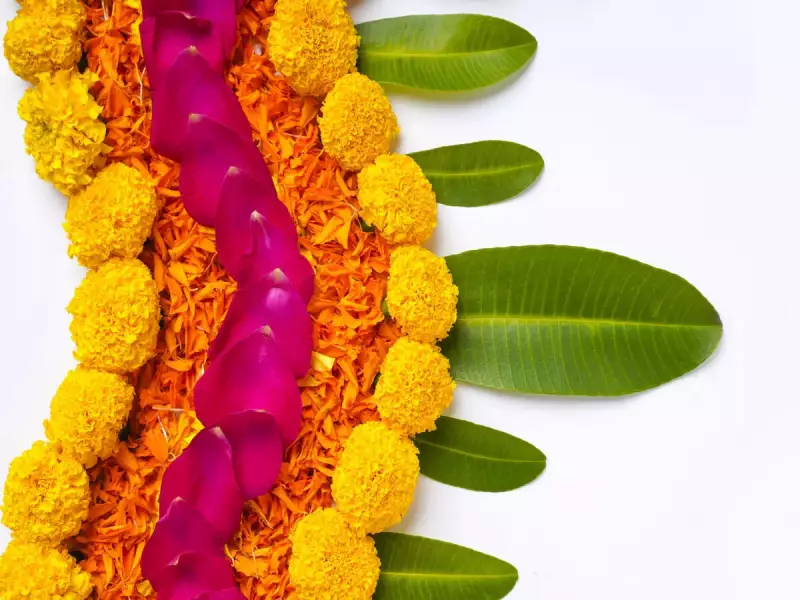
Households create beautiful Kollams, which are artistic floor patterns made using rice powder. Families gather to pray to their deities, seeking wellbeing and prosperity for the coming year.
Historical Roots of Pongal
Pongal traces its origins back to the Sangam Period, spanning from the 6th century BC to the 2nd century AD. According to legend, Pongal celebrations have continued for over 2,000 years.
The core idea behind Pongal involves expressing gratitude to the Sun god, the forces of nature, livestock, and the farming community. This festival embodies a deep appreciation for agricultural life.
Ancient References and Inscriptions
Historical records mention the Pongal festival in an inscription at the Viraraghava temple dedicated to Lord Vishnu in Thiruvallur, Chennai. Chola king Kulottunga I, who reigned from 1070 to 1122 CE, receives credit for this inscription.
The inscription details a land grant to the temple specifically for annual Pongal celebrations. Additionally, the 9th-century Shiva bhakti text Tiruvembavai by Manikkavachakar references the festival, confirming its longstanding cultural significance.
Pongal 2026 Dates and Festive Wishes
The Pongal festival will be celebrated from January 13 to 17 in 2026. This period offers an opportunity for reflection, celebration, and sharing goodwill.
As families gather, they exchange heartfelt wishes for happiness and prosperity. Traditional messages often highlight the sweetness of overflowing milk and sugarcane, symbolizing abundance.
Many people pray for health, fortune, and divine blessings during this auspicious time. They view Pongal as a stepping stone toward achieving greater heights in life.
The festival encourages gratitude for life's blessings and celebrates the gifts of nature. Colorful Kollams brighten homes, while families dress in traditional attire to offer devotions.
Pongal serves as a reminder to cherish traditions and strengthen community bonds. It brings people together in a spirit of joy, thankfulness, and hope for a prosperous future.