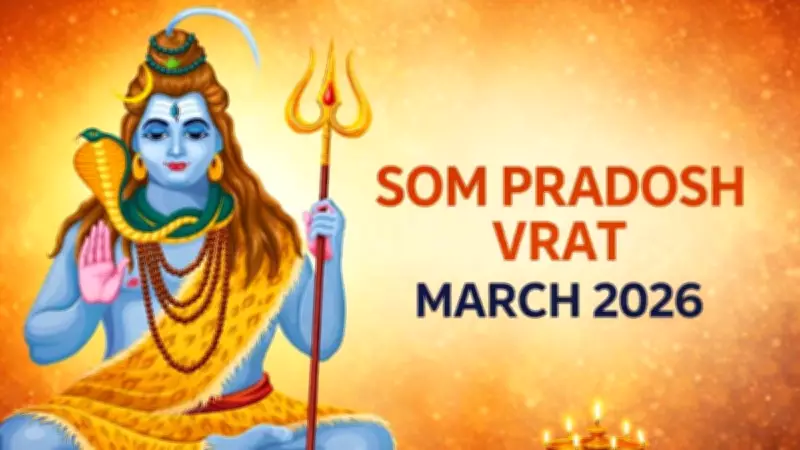
Pradosh Vrat in March 2026: A Comprehensive Guide to Dates and Observances
The Pradosh Vrat, a revered Hindu fasting ritual dedicated to Lord Shiva, holds significant spiritual importance for devotees seeking divine blessings and purification. In March 2026, this auspicious observance falls on specific dates that align with the lunar calendar, offering followers an opportunity to engage in dedicated worship and introspection. This detailed guide provides all essential information, including precise puja timings, traditional rituals, and the multifaceted benefits associated with this sacred practice.
Exact Dates and Puja Timings for March 2026
For the month of March 2026, the Pradosh Vrat is scheduled to occur on two key dates: March 13, 2026 and March 28, 2026. These dates correspond to the Trayodashi Tithi, or the thirteenth day of the lunar fortnight, which is considered highly propitious for Shiva worship. The puja timings, known as the Pradosh Kaal, are critical for performing rituals effectively. On March 13, the Pradosh Kaal is expected to span from approximately 6:15 PM to 8:45 PM, while on March 28, it will likely occur from around 6:30 PM to 9:00 PM. Devotees are advised to consult local Panchang or astrological sources for exact timings based on their geographical location, as minor variations may apply.
Rituals and Observances for Pradosh Vrat
Observing the Pradosh Vrat involves a series of traditional rituals that enhance spiritual connectivity. Devotees typically begin the day with a pre-dawn bath and maintain a strict fast, abstaining from food and water until after the evening puja. Key practices include:

- Offering prayers and performing Abhishekam (ritual bathing) of the Shiva Linga with sacred substances such as milk, water, honey, and bel leaves.
- Reciting powerful mantras like the Maha Mrityunjaya Mantra and Shiva Chalisa to invoke divine protection and blessings.
- Lighting lamps and incense sticks to create a serene atmosphere conducive to meditation and devotion.
- Listening to or reading stories related to Lord Shiva, which reinforce faith and spiritual understanding.
- Breaking the fast after the puja with simple, satvik food items like fruits, milk, or light meals, ensuring the body remains purified.
These rituals are performed with utmost devotion, often in temples or home shrines, to honor Lord Shiva and seek his grace.
Spiritual and Material Benefits of Observing Pradosh Vrat
The Pradosh Vrat is renowned for bestowing a wide array of benefits that encompass both spiritual elevation and material well-being. By faithfully observing this vrat, devotees can experience:
- Spiritual Purification: The fast and prayers help cleanse the mind and soul, reducing negative karma and promoting inner peace.
- Divine Blessings: Lord Shiva is believed to grant boons such as health, prosperity, and protection from misfortunes to sincere worshippers.
- Fulfillment of Desires: Many observe this vrat to seek fulfillment of personal wishes, including career success, harmonious relationships, and overcoming obstacles.
- Enhanced Discipline: The practice of fasting cultivates self-control and discipline, which can positively impact daily life and personal growth.
- Community and Family Harmony: Participating in group prayers or family rituals fosters unity and strengthens bonds, creating a supportive spiritual environment.
These benefits highlight why the Pradosh Vrat remains a cherished tradition among Hindus, offering a holistic approach to well-being.

Historical and Cultural Significance
Rooted in ancient Hindu scriptures, the Pradosh Vrat has been observed for centuries as a means to honor Lord Shiva during the twilight hours, or Pradosh Kaal. This period is considered especially potent for spiritual activities, as it symbolizes the transition between day and night, representing balance and renewal. The vrat is mentioned in various Puranas, where its observance is praised for bringing divine favor and mitigating planetary afflictions. In contemporary times, it continues to be a vital part of Hindu spirituality, adapting to modern lifestyles while preserving its core essence of devotion and austerity.
In summary, the Pradosh Vrat in March 2026 presents a valuable opportunity for devotees to deepen their spiritual practice through dedicated fasting and worship. By adhering to the specified dates and timings, engaging in traditional rituals, and understanding the profound benefits, individuals can embark on a transformative journey toward enlightenment and fulfillment. Whether seeking spiritual growth or material blessings, this observance serves as a powerful conduit to divine grace, reinforcing the timeless connection between humanity and the divine.