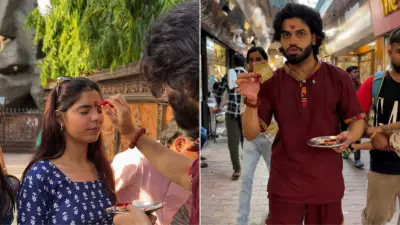
The historic Shri Kasba Ganapati temple in Pune finds itself in a unique situation following the careful restoration of its ancient idol. The process yielded nearly 900 kilograms of sacred shendur (vermilion powder), leading to an overwhelming number of requests from devotees who wish to receive it as prasad for their home shrines.
A Sacred Surplus: The Shendur Conundrum
The temple trust, led by chief trustee Vinayak Bajirao Thakar, has decided to proceed with caution. Samples of the collected shendur have been sent to the state government's archaeology department for testing. The trust will make a final decision on distribution only after receiving the results, which are expected within a couple of weeks.
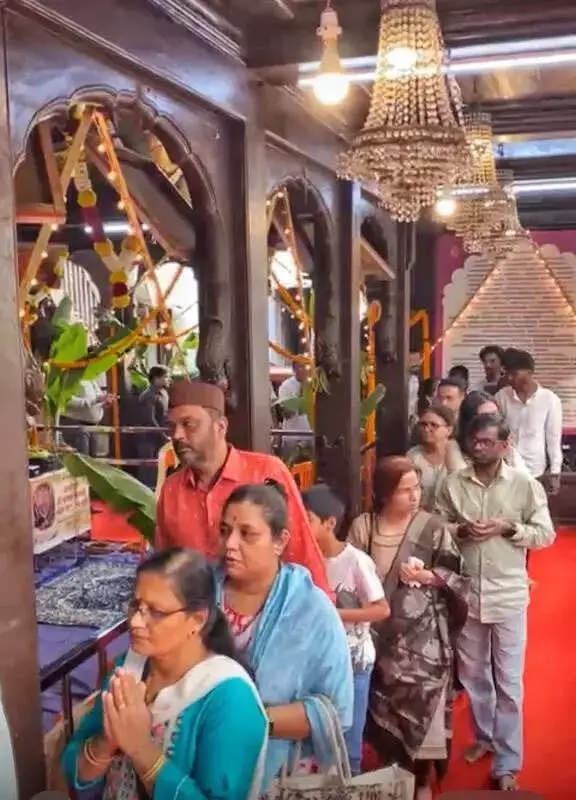
The temple had closed its doors on December 15 for the comprehensive restoration of the centuries-old idol and renovation of the premises. It triumphantly reopened on Wednesday, drawing massive crowds. Devotees thronged the site until closing time at 10:30 PM, with even larger gatherings on New Year's Day. Over two lakh devotees visited on December 31 and January 1 combined, seeking the first darshan of the freshly restored deity.

Devotees' Reverence and Temple's Heritage Duty
The demand for the shendur is deeply rooted in devotion. "We have grown up seeing Kasba Ganapati as the protector of this city. Even a pinch of that shendur given as prasad would be kept in our home shrine with great reverence," said Priyanka Gaikwad, a resident of Dhankawadi. Another devotee, Santosh Bhambure from Rasta Peth, echoed the sentiment, stating, "This shendur holds decades of people's faith. Having a small amount at home would feel like receiving a blessing directly from the deity."
As queues snaked through the narrow lanes of Kasba Peth, the temple marked the occasion by distributing pedha on December 31 and freshly prepared sheera on January 1. The Kasba Ganapati, established in the early 17th century by Jijabai, is revered as Pune's gramdaivat (presiding deity). It anchors the city's cultural identity and leads the annual Ganeshotsav immersion procession, making the trust's decision a matter of both spiritual significance and heritage responsibility.
The Meticulous Restoration Process
The restoration project was initiated in November after a layer of shendur began peeling off the idol. Upon advice from experts and the head priest, the trust undertook the sensitive task. Specialists from the state archaeology department, along with experts from Deccan College's archaeology division and other heritage consultants, guided the entire process. Their primary goal was to ensure the ancient stone idol suffered no damage during the careful removal of the accumulated shendur.
The temple's reopening has been a resounding success, with queues forming as early as 6 AM on Thursday. While devotees celebrate the idol's renewed form, their eyes are also on the sacred residue of its past. The trust now balances this fervent public sentiment with the need for due diligence, awaiting scientific clearance before potentially sharing a piece of history and faith with the people of Pune.