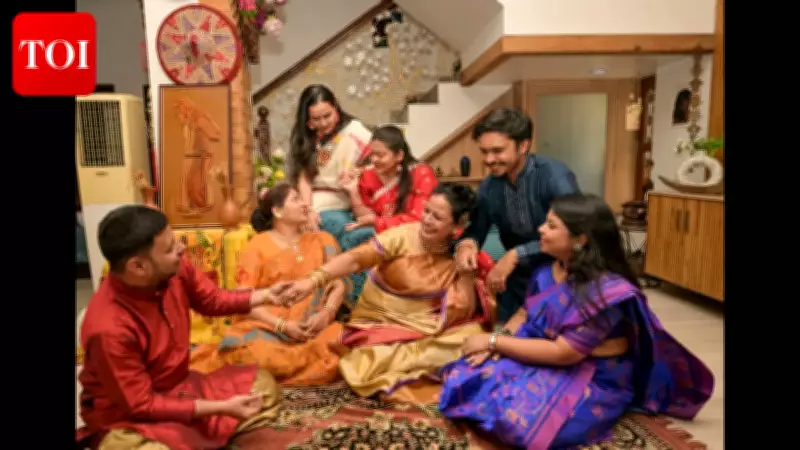
Pune's Bengali Community Celebrates Poila Boishakh with Food, Festivities, and Cultural Pride
Culture and traditions serve as a powerful anchor for the Bengali community in Pune, where festivals transcend mere dates on the calendar. They embody celebrations of identity, nostalgia, and community, acting as vital bridges to the essence of Bangaliana. Across various pockets of the city, far from the lanes of West Bengal, Poila Boishakh is ushered in with the same warmth and fervor in shared cultural spaces.
Food, Festivities, and Familiar Traditions
Intimate and community-driven, Poila Boishakh in Pune revolves around gatherings, feasting on scrumptious food, and events organized by Bengali associations and cultural groups. These often feature Rabindra Sangeet recitals and other performances. Traditional attire dominates the dress code, with women in saris—not necessarily the stereotypical red-and-white—and men in kurta-pajamas or dhuti-panjabi.
Business owners perform the ritual of haal khata, where old account books are cleared and new ones are opened. Socializing is integral to the day, with exchanges of 'Shubho Nobo Borsho' greetings helping recreate a sense of home. "Poila Boishakh is one of those things that unite probashi Bangalis. Celebrating with the Bengali community is like being at home while being away from home," says Lopamudra Mukherjee, a Pune resident for 15 years.

Cultural Events Across the City
Numerous events mark the festivities in Pune:
- Friendship Club Pune at Backyard Farms, Ravet, on April 15
- Bongiya Sanskriti Sangho at Hande Lawns on April 17
- Agradoot Bangosamaj at City Vista Lawns in Kharadi on April 18
- ASBS at Shakuntala Hall on April 18
- Keshav Nagar Bengali Association at Royal Moments Banquet, Amanora, on April 19
- Bangiya Sanskriti Samsad at Bhonsle Nagar on April 19
The Quintessential Bengali Feast
No Bengali celebration is complete without an array of vegetarian and non-vegetarian dishes, and Poila Boishakh is no exception. Elaborate lunches feature:
- Shukto: A mildly bitter medley of vegetables
- Begun bhaja: Shallow-fried brinjal
- Cholar dal: Mildly sweet Bengal split grams with coconut slivers, served with luchi (thin, deep-fried puffed bread)
- Basanti pulao: A sweetish yellow rice preparation with cashews and raisins
- Chingri malaikari: A coconut-based prawns curry
- Kosha mangsho: Semidry spicy mutton
- Chutney: A sweet-tangy or sometimes spicy fruit dish
- Payesh: Rice pudding
- Mishti doi: Sweet curd
While home-cooked meals are a staple, potluck-style gatherings are common. In Pune, restaurants and supper clubs also offer the quintessential spread, including:
- Bengali Sweets & Foods in Viman Nagar
- Aha! Baangali in Viman Nagar, Kharadi, and Wakad
- Chef’s Table by Breaking Basmati on Instagram
- Crowne Plaza Pune City Centre on Bund Garden Road
- Swayam Aahar in Viman Nagar
Personal Stories of Cultural Connection
For Pune-based Simran Tiwari, whose parents grew up in Kolkata, adapting to Bengali culture was natural despite not being born into a Bengali family. "We are Bengalis just without a Bengali surname. Celebrating Poila Boishakh with the community in Pune gives us a wonderful opportunity to reconnect with our roots," says Simran, a speech and drama teacher who has called Pune home for 26 years. For her family, Nobo Borsho is incomplete without the quintessential breakfast dish Radhaballavi (a Bengali version of dal-puri) and acquiring the New Year calendar.

What is Poila Boishakh?
Poila Boishakh, also known as Pohela Boishakh, marks the first day of the Bengali calendar, specifically the Boishakh month. It typically falls on April 14 or 15 of the Gregorian calendar, symbolizing new beginnings and the New Year—Nobo Borsho. Traditionally considered an auspicious time for starting new ventures, settling business accounts, and ushering in prosperity, it is rooted in the agrarian cycle. This cultural celebration blends food, rituals, festivity, and community bonding, with elements like alpona (designs made with ground rice flour signifying positivity) and alta (applied for a festive feel) adding to the vibrant atmosphere.