The pursuit of Buddha's relics has been a significant aspect of Buddhist history and faith for centuries. These sacred remains, believed to be portions of the Buddha's body or objects associated with him, are venerated by millions across the globe. The quest for these relics is not merely a historical or archaeological endeavor but a deeply spiritual journey that connects devotees to the enlightened master.
Historical Background of Buddha's Relics
After the Buddha's parinirvana around 483 BCE, his remains were cremated, and the ashes were divided among eight royal families. These relics were enshrined in stupas, marking the beginning of relic worship in Buddhism. Emperor Ashoka, in the 3rd century BCE, is credited with opening these original stupas and redistributing the relics across his vast empire, building thousands of stupas to house them. This act spread the veneration of relics throughout Asia.
Types of Relics
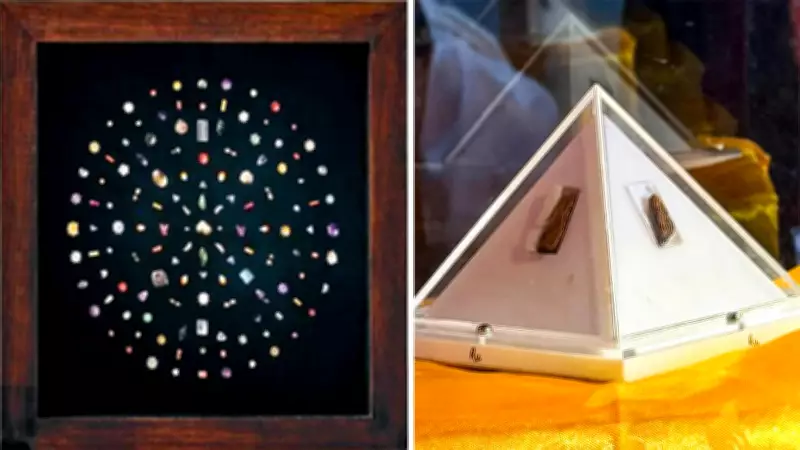
Buddhist relics are categorized into three types: bodily relics (saririka), relics of use (paribhogika), and relics of commemoration (uddesika). Bodily relics include bones, teeth, and hair. Relics of use are items like the Buddha's robe or bowl. Commemorative relics are statues or images created in his honor. Each type holds immense spiritual significance for practitioners.

Modern Pursuit and Discoveries
In modern times, the pursuit of Buddha's relics has involved archaeological excavations and scholarly research. Notable discoveries include the relic casket from Piprahwa in India, believed to contain the Buddha's ashes, and the discovery of a tooth relic in Sri Lanka. These findings have sparked debates about authenticity but also renewed interest in Buddhist heritage.
Significance in Contemporary Buddhism
For Buddhists, relics are not just historical artifacts but living symbols of the Buddha's presence. They serve as focal points for meditation, pilgrimage, and rituals. The possession of a relic is considered a great blessing, and temples housing relics attract millions of devotees. The pursuit of these relics continues, with ongoing efforts to locate and preserve them, reflecting the enduring power of faith.
Challenges and Controversies
The quest for Buddha's relics is not without challenges. Authenticity is often questioned, and the handling of relics can lead to disputes among different Buddhist traditions. Additionally, the commercialization of relics has raised ethical concerns. Despite these issues, the reverence for relics remains strong, and they continue to inspire devotion and scholarly inquiry.
In conclusion, the pursuit of Buddha's relics is a multifaceted journey encompassing history, archaeology, and spirituality. It reflects the deep connection between the material and the transcendental in Buddhism, offering a tangible link to the enlightened one. As new discoveries emerge, they enrich our understanding of this ancient tradition and its enduring legacy.