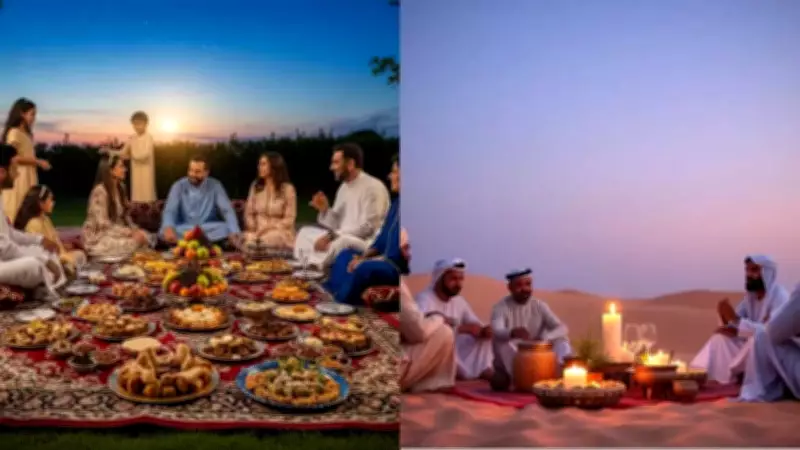
UAE's Ramadan 2026 Trend: Iftar Hikes Blend Spirituality and Nature
As Ramadan 2026 unfolds across the United Arab Emirates, a captivating new tradition is gaining momentum among residents: iftar hikes. These organized group treks take participants into the serene landscapes of the Hajar Mountains and desert areas, where they break their fast together amidst nature's tranquility, far removed from the hustle and bustle of urban life. What originated as informal outings has now blossomed into a vibrant seasonal ritual, seamlessly merging spiritual reflection, community bonding, and healthy outdoor activities against breathtaking backdrops as the sun sets.
From City Streets to Mountain Trails: A New Ramadan Tradition
Across the UAE, hiking groups are increasingly scheduling mountain treks timed precisely around iftar, the sunset moment when fasting Muslims conclude their daily fast with dates, water, and light meals. Instead of gathering around dining tables, hikers assemble with backpacks approximately an hour before sunset, making their way to trails or scenic vantage points by the call to prayer. They share a simple, communal moment of breaking the fast before continuing their adventure into the night.
Organized groups such as UAE Adventures Team and Outdoorzy Adventures have been facilitating these experiences for several years, particularly during the cooler winter months leading into Ramadan when outdoor temperatures are more conducive to physical activity. These outings prioritize accessibility, offering easy-to-moderate hikes in locations like Fossil Rock in Mleiha and other elevated trails, where panoramic views enhance the fast-breaking experience.

Spiritual Connection Meets Outdoor Wellness
For many UAE Muslims, breaking the fast outdoors holds a uniquely profound significance. Away from everyday distractions and electronic devices, the simplicity of sharing dates and water with fellow hikers at sunset, followed by prayers in nature, resonates deeply. As one group founder articulated, iftar hikes provide "a rare pause", a moment to feel connected to both community and the spiritual essence of Ramadan.
Many journeys extend beyond the initial breaking of the fast: groups pause for Maghrib prayer, then continue hiking for a few more hours under the night sky, sometimes concluding the evening with suhoor barbecues or meals overlooking the mountains. Hikers emphasize that the focus is not on strenuous exercise but on shared experiences, contemplation, and fellowship, aligning outdoor adventure with the core values of generosity and togetherness that define Ramadan.
Safety and Cultural Adaptation in Iftar Hikes
Unlike typical organized sports or fitness trends, iftar hikes are deeply rooted in cultural adaptation and community spirit. They are thoughtfully scheduled with consideration for fasting participants, often starting after taraweeh prayers to allow ample time for digestion before physical exertion. Groups tend to be small, typically capped at 25 to 30 people for safety, especially when hiking after dark.
These hikes usually include both fasting and non-fasting participants, with organizers being mindful to respect the needs of those observing the fast. For instance, non-fasting hikers refrain from drinking water in front of others during the hike, fostering an environment of mutual respect and inclusivity.
Factors Driving the Popularity of Iftar Hikes
Several key factors are fueling the growing popularity of iftar hikes during Ramadan 2026 in the UAE:

- Perfect Weather: Ramadan falls during a cool winter period, making mountain and desert hikes more comfortable than in the scorching summer months. Outdoor trails become more accessible and pleasant for groups of all fitness levels.
- Health Focus: Many residents are embracing active lifestyles even during fasting, opting for nighttime walks, jogging, and social sports after iftar. This trend is also evident in urban sports arenas and public parks across the country.
- Cultural Immersion: For expats and long-term residents alike, iftar hikes offer a meaningful way to engage with the spiritual rhythm of Ramadan beyond traditional indoor gatherings. They provide a fresh perspective on fasting, blending silence, reflection, and nature while fostering new friendships across diverse communities.
Organizers place a strong emphasis on safety, particularly since many hikes continue after dark. Small group sizes help ensure that leaders can effectively manage the risks associated with night hiking in rugged terrain. Participants are thoroughly briefed on safety protocols and trail conditions beforehand.
Given the varied terrain of the UAE's Hajar Mountains, including peaks like Jebel Al Mebrah and Jabal Qada'ah in Fujairah and Ras Al Khaimah, hikers are advised to come prepared with appropriate gear, flashlights or headlamps, and a plan for hydration once iftar is officially called.
A Broader Social Shift in UAE Ramadan Celebrations
Iftar hikes are part of a broader social shift in the UAE during Ramadan, where residents increasingly embrace outdoor and community-focused activities. For example, many people choose to exercise after iftar by jogging, playing football, or visiting public spaces, transforming late evenings into hubs for wellness and social connection. Similarly, community programs like Umm Al Emarat Park's Ramadan Nights events highlight how outdoor gatherings have become an integral part of the UAE's Ramadan experience, combining cultural celebration with family-friendly engagement under the night sky.
In 2026, iftar hikes have emerged as a symbolic expression of how people in the UAE are reimagining Ramadan traditions. They offer a harmonious blend of reflection, fitness, community spirit, and adventure that complements the core values of the holy month. Far from being merely a fitness fad, these hikes reflect a deeper desire to connect with nature, share meaningful moments, and embrace the spiritual essence of Ramadan—one sunset, one trail, and one shared meal at a time.