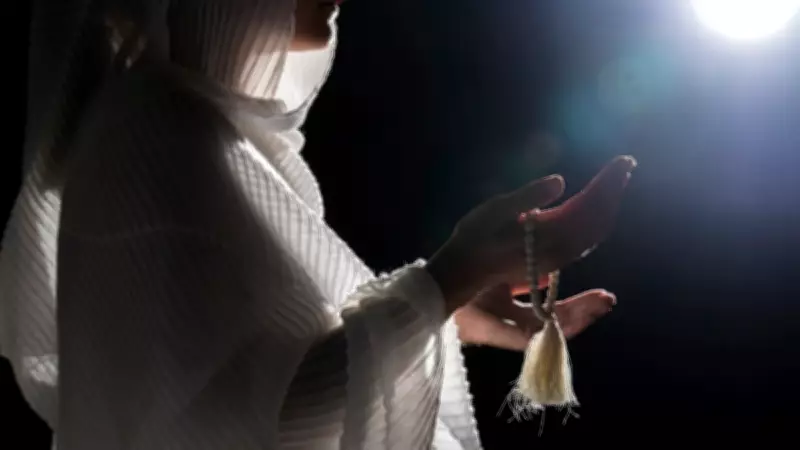
Essential Ramadan Prayers for Sehri and Iftar: A Guide to Spiritual Devotion
Ramadan, the holy month of fasting in Islam, is a time of deep spiritual reflection, self-discipline, and heightened devotion. Central to this observance are the prayers known as dua, recited during Sehri (the pre-dawn meal before fasting begins) and Iftar (the meal to break the fast at sunset). These prayers are not mere rituals but profound expressions of faith, seeking Allah's blessings, forgiveness, and guidance. This article provides a detailed overview of the essential dua for Sehri and Iftar, emphasizing their significance and proper recitation to enrich your Ramadan experience.
Understanding Sehri: The Pre-Dawn Prayer for Fasting
Sehri, also referred to as Suhoor, is the meal consumed before dawn during Ramadan, marking the beginning of the daily fast. The dua for Sehri is recited with the intention to fast for the day, seeking Allah's acceptance and strength. The recommended prayer is: "Nawaitu an asuma ghadan lillahi ta'ala" (I intend to fast tomorrow for the sake of Allah, the Exalted). This declaration sets a spiritual tone, reminding Muslims of the purpose behind their sacrifice—to draw closer to Allah through obedience and self-restraint. Reciting this dua with sincerity helps purify intentions, ensuring the fast is performed solely for divine pleasure rather than habit or social pressure.
Beyond the specific dua, Sehri is a blessed time mentioned in Islamic traditions, where prayers are readily accepted. It is advisable to engage in additional supplications, seeking protection, sustenance, and mercy. The pre-dawn hours offer a serene environment for reflection, making it an ideal moment to recite the Quran and engage in personal prayers. By incorporating these practices, Muslims can start their fast with a heart full of devotion and a mind focused on spiritual goals.

Iftar Dua: The Prayer for Breaking the Fast
Iftar is the moment when Muslims break their fast at sunset, a time of gratitude and celebration. The dua for Iftar is a heartfelt supplication, acknowledging Allah's provision and seeking rewards for the day's abstinence. The commonly recited prayer is: "Allahumma inni laka sumtu wa bika aamantu wa 'ala rizq-ika aftartu" (O Allah, I fasted for You, and I believe in You, and I break my fast with Your sustenance). This dua encapsulates the essence of Ramadan—faith, trust in divine provision, and thankfulness for the ability to fast.
Breaking the fast with dates and water, as per the Sunnah (traditions of Prophet Muhammad), followed by this dua, enhances the spiritual experience. It is a reminder that the fast was observed for Allah's sake, and the sustenance to break it is also a blessing from Him. Many Muslims also add personal supplications during Iftar, asking for forgiveness, health, and prosperity for themselves and the global Muslim community. This collective aspect fosters a sense of unity and shared purpose during Ramadan.
Significance of Dua in Ramadan: Beyond Rituals
The dua for Sehri and Iftar are integral to Ramadan, but their importance extends beyond mere recitation. They serve as tools for spiritual connection, helping Muslims align their actions with divine will. In Ramadan, the rewards for good deeds are multiplied, and sincere prayers are believed to be more readily accepted. Thus, these dua are opportunities to seek:
- Forgiveness: For past sins and shortcomings.
- Guidance: In personal and communal matters.
- Blessings: For health, family, and sustenance.
- Strength: To maintain piety throughout the month.
Reciting these prayers with understanding and reflection deepens one's faith, making Ramadan a transformative period. It is recommended to learn the meanings of the dua to recite them with full consciousness, rather than by rote. This practice not only enhances devotion but also instills a sense of humility and gratitude, core values of Islam.
Practical Tips for Reciting Sehri and Iftar Dua
To maximize the spiritual benefits of Ramadan prayers, consider these practical tips:

- Timing: Recite the Sehri dua before the Fajr (dawn) prayer begins, ensuring the fast is valid. For Iftar, say the dua immediately after breaking the fast with dates or water.
- Sincerity: Focus on the meaning and intention behind the words, avoiding distractions.
- Consistency: Make it a habit to recite these dua daily throughout Ramadan to build spiritual discipline.
- Community: Share the dua with family and friends, especially new converts or children, to foster a collective spirit of worship.
- Additional Prayers: Supplement with personal supplications in your own language, expressing specific needs and gratitude.
By integrating these practices, Muslims can ensure their Ramadan is not only about abstaining from food and drink but also about nurturing a profound connection with Allah. The dua for Sehri and Iftar are simple yet powerful acts that elevate the fasting experience, making it a journey of spiritual growth and renewal.
In conclusion, the Ramadan prayers for Sehri and Iftar are essential components of the holy month, guiding Muslims in their fasting journey. They remind us of the higher purpose behind physical abstinence—to attain piety and divine closeness. As you observe Ramadan, embrace these dua with heart and mind, and may they bring you closer to the blessings and mercy of Allah.