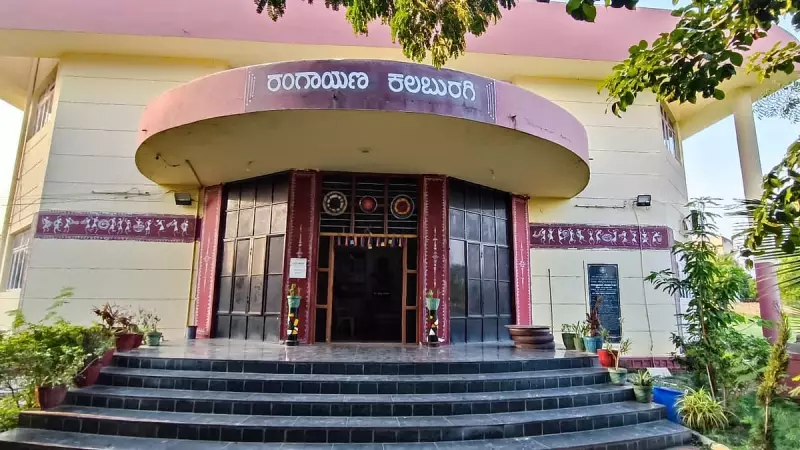
Mysuru's prestigious Rangayana, a bastion of Kannada theatre and culture, finds itself embroiled in a profound crisis that strikes at its very identity. The iconic repertory theatre, long celebrated for its pioneering work, is grappling with a debilitating combination of a severe talent shortage, chronic underfunding, and what many describe as institutional neglect. This multi-pronged threat has cast a long shadow over the future of one of India's most respected theatrical institutions.
The Triple Threat: Scarcity, Funds, and Apathy
At the heart of Rangayana's current predicament is a crippling talent crunch. The theatre, which traditionally nurtured actors, directors, and technicians through its unique residency model, is struggling to attract and retain fresh, skilled professionals. This scarcity of artistic human resources threatens the continuity and innovative spirit that defined Rangayana for decades. Compounding this issue is the persistent problem of poor funding. Despite its national stature and cultural significance, the theatre operates with financial constraints that hamper productions, maintenance, and fair remuneration for its artists.
Furthermore, stakeholders point to a deeper malaise of institutional neglect. There is a growing perception that the necessary administrative and policy support required to navigate modern challenges has been lacking. This neglect has left Rangayana vulnerable, unable to adapt swiftly to changing cultural landscapes and economic realities. The situation has reached a point where the theatre's core mission and artistic output are under significant strain.

Implications for Karnataka's Cultural Landscape
The crisis at Rangayana is not an isolated event but a symptom of broader challenges facing repertory and regional theatre in India. As a flagship institution, its struggles have a ripple effect across Karnataka's cultural ecosystem. The potential diminishment of Rangayana's output or quality could lead to a vacuum in meaningful Kannada theatre, affecting playwrights, actors, and audiences alike. The theatre has been more than a performance venue; it has been a laboratory for thought, a platform for social discourse, and a custodian of language and tradition.
The reported issues, highlighted in recent discussions, underscore a critical juncture. Last Updated : 07 January 2026, 20:21 IST, as noted in reports, the call for attention to these problems is growing louder. The very identity of Rangayana, built on excellence and experimentation, is now in question, prompting urgent reflections on sustainability and support for the arts.
What Lies Ahead for the Iconic Repertory?
The path forward for Rangayana demands concerted and immediate action. The solutions must address both immediate logistical hurdles and long-term strategic vision. Key areas that require focus include:
- Revising funding models to ensure financial stability and independence.
- Launching new initiatives and partnerships to revitalize talent recruitment and training.
- Implementing a clear institutional framework that provides proactive support rather than reactive neglect.
Without such interventions, the risk of permanent damage to this cultural landmark is real. The story of Rangayana's current crisis is a cautionary tale about taking cultural institutions for granted. Its resolution will test the commitment of the wider community to preserving the vibrant, living art of theatre. The curtain has not fallen yet, but the stage is set for a decisive act that will determine whether this iconic theatre can reclaim its legacy and secure its future.