Rare 3rd Century BC Buddhist Relic Emerges for Public View in Odisha's Lalitgiri
In a significant cultural move, authorities have brought a rare Buddhist relic from the 3rd century BC out of a museum for public display in Lalitgiri, Odisha. This ancient artifact, previously housed in a secure museum setting, now offers visitors a direct connection to India's rich Buddhist heritage.
Unveiling Ancient History to the Public
The relic, dating back over two millennia, represents a pivotal era in Buddhist history. Experts believe it holds immense archaeological and religious value. By displaying it publicly, officials aim to make this piece of history more accessible to people. This step allows locals and tourists alike to witness a tangible link to the past.
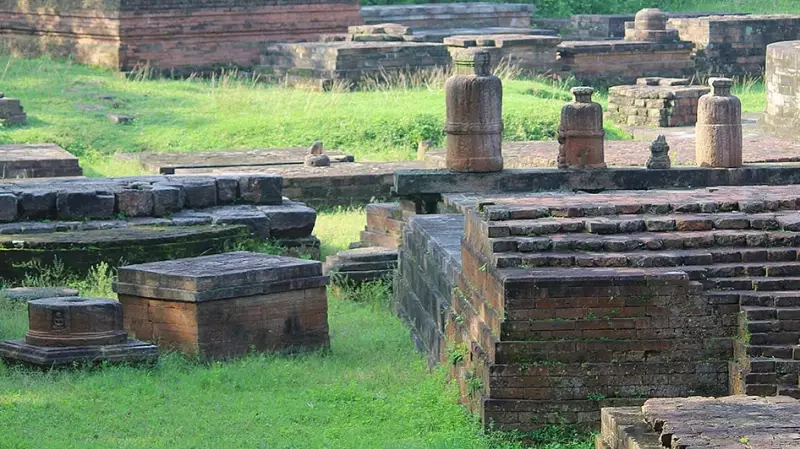
Lalitgiri, known for its Buddhist archaeological sites, provides a fitting backdrop for this exhibition. The area has long been a center for Buddhist studies and pilgrimage. Bringing the relic out of storage enhances the site's educational and spiritual appeal.

Details of the Relic and Its Significance
The artifact is a small, intricately crafted object from the 3rd century BC. It likely served a ceremonial or devotional purpose in ancient Buddhist practices. Its preservation in such good condition after centuries is remarkable. Archaeologists have studied it extensively to understand its origins and use.
Key features of the relic include:
- Age: Over 2,200 years old, from the Mauryan period.
- Material: Made from durable stone or metal, showing skilled craftsmanship.
- Cultural importance: Reflects the spread of Buddhism in early India.
This display is part of a broader effort to promote Odisha's cultural tourism. State authorities hope it will attract more visitors to Lalitgiri and other historical sites in the region.
Impact on Local Tourism and Education
By showcasing the relic publicly, Odisha aims to boost local tourism. Lalitgiri already draws history enthusiasts and pilgrims. This new attraction could increase footfall significantly. Schools and colleges might also organize educational trips to see the artifact.
The public display allows for a more immersive experience than viewing it in a museum case. Visitors can appreciate its details up close. This hands-on approach to history helps people connect emotionally with their heritage.
Officials have ensured proper security and conservation measures for the relic. They want to protect it while making it available to the public. This balance between access and preservation is crucial for such ancient items.
In summary, the rare 3rd century BC Buddhist relic in Lalitgiri offers a unique opportunity for public engagement with India's ancient past. It highlights Odisha's role in preserving and sharing cultural treasures.