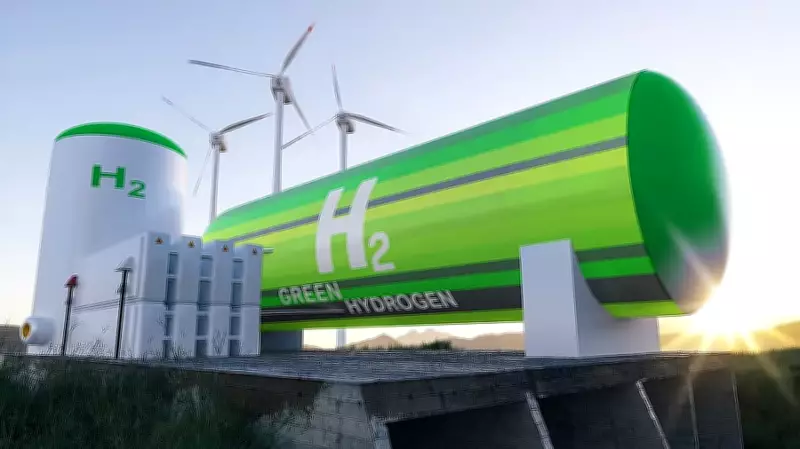
Kerala is preparing for significant advancements in the green hydrogen sector as part of its ambitious goal to achieve net-zero emissions by 2050, two decades ahead of India's national target of 2070. The state government has outlined a comprehensive strategy that positions green hydrogen as a cornerstone of its clean energy transition.
State's Ambitious Timeline
According to official statements, Kerala's plan to reach net-zero by 2050 reflects its commitment to combating climate change and leveraging its natural资源优势. The state aims to reduce carbon emissions through a combination of renewable energy expansion, energy efficiency measures, and the adoption of green hydrogen technologies.
Green Hydrogen as a Key Driver
Green hydrogen, produced by splitting water using renewable energy, is expected to play a pivotal role in decarbonizing sectors such as transportation, industry, and power generation. Kerala's strategy includes setting up production facilities, developing storage infrastructure, and promoting hydrogen fuel cell applications.

“Kerala is uniquely positioned to lead India's green hydrogen revolution due to its abundant solar and wind resources,” said a state energy department official. The government has initiated pilot projects and is seeking partnerships with private firms and research institutions to scale up production.
Investment and Infrastructure Plans
The state has allocated funds for research and development, and is exploring incentives to attract investment in green hydrogen projects. Plans include establishing hydrogen hubs near industrial clusters and ports to facilitate export and domestic use. Kerala also aims to integrate green hydrogen into its public transport system, with trials for hydrogen-powered buses underway.
India's national target of net-zero by 2070 aligns with global efforts under the Paris Agreement. Kerala's accelerated timeline is seen as a model for other states, demonstrating that subnational action can drive faster climate progress.
Challenges and Opportunities
While the potential is significant, challenges include high production costs, infrastructure gaps, and the need for skilled workforce training. The state is addressing these through policy support and international collaborations. Experts believe that early action could position Kerala as a leader in the emerging green hydrogen economy, attracting investment and creating jobs.
As the world shifts toward cleaner energy, Kerala's focus on green hydrogen underscores its commitment to sustainable development and climate resilience.