Ratha Saptami 2026: A Grand Celebration of the Sun God's Birth
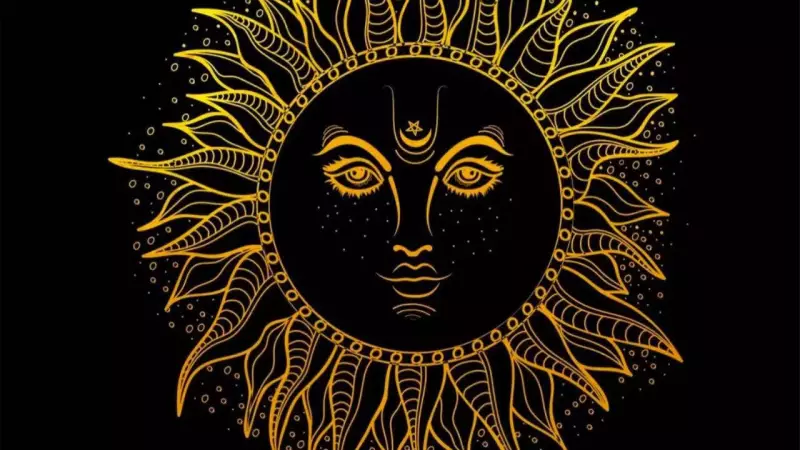
Ratha Saptami stands as one of the most prominent and widely celebrated festivals across India, marked by immense grandeur and heartfelt enthusiasm. This auspicious occasion, also referred to as Magha Saptami, Magha Jayanti, and Surya Jayanti, holds deep spiritual significance for devotees. The festival commemorates the birth anniversary of Lord Surya, the Sun God, and is observed with great devotion and purity.
Ratha Saptami 2026: Date and Auspicious Timings
This year, Ratha Saptami will be celebrated on the Saptami Tithi of Shukla Paksha in the month of Magha, corresponding to January 25, 2026. The specific timings for the day are crucial for performing rituals:
- Saptami Tithi Begins - 12:39 AM on January 25, 2026
- Saptami Tithi Ends - 11:10 PM on January 25, 2026
- Snan Muhurat on Ratha Saptami - 05:26 AM to 07:13 AM
- Civil Dawn on Ratha Saptami - 06:48 AM
- Sunrise time on Ratha Saptami - 07:13 AM
The Profound Significance of Ratha Saptami
Ratha Saptami is a highly significant Hindu festival dedicated to honoring Lord Surya. Celebrated as the birth anniversary of the Sun God, it is believed that Lord Surya illuminates the entire world with his divine brightness. According to the Gregorian Calendar, the festival typically occurs in the months of January or February, falling two days after Basant Panchami. On this day, Lord Surya is said to commence his journey to the Northern hemisphere in his majestic chariot. This event also marks the beginning of the summer season and symbolizes the harvest period for farmers, adding agricultural importance to its spiritual essence.

Rituals and Traditions to Follow on Ratha Saptami
Devotees engage in various sacred practices to observe Ratha Saptami with reverence. It is recommended to wake up early in the morning and take a holy bath in sacred rivers such as the Ganga, Yamuna, Narmada, or Shipra. This ritual purifies the body; if unable to visit a river, one can bathe at home by adding Gangajal to normal water. The day is considered extremely auspicious for fasting and appeasing Lord Surya, which helps purify the body, mind, and soul, allowing devotees to connect with divine energy. Refraining from tamasik food is advised.
Offering Arghya to Lord Surya is a primary ritual. After bathing, one should offer Arghya by adding turmeric, jaggery, and red flowers to water. Charity is emphasized, with donations of jaggery, grains, clothes, sweets, fruits, and other food items to the needy. Visiting temples and distributing food among priests is also encouraged. Temples dedicated to Lord Surya are beautifully decorated with flowers, and special pujas are performed with chanted mantras to honor the deity. The festival is particularly grand in Tamil Nadu, where an image of Lord Surya is placed on a chariot and taken out in vibrant processions.
Chanting mantras such as Om Suryaye Namah and Om Ghrani Suryaye Namah is a common practice to invoke blessings.