8 Fascinating Rattlesnake Facts: How They Hunt, Strike, and Survive
Rattlesnakes are among the most recognizable snake species in the Americas, known for their distinctive rattling tails, triangular heads, and potent venom. As members of the viper family, these reptiles thrive in diverse habitats, including deserts, forests, grasslands, and rocky areas across southern Canada and parts of South America.
While often viewed as dangerous, scientific research reveals rattlesnakes as highly specialized predators with remarkable biological traits that enable survival in harsh environments. Their unique adaptations, such as swift strikes and rattling mechanisms, set them apart from other reptiles.
Rattlesnakes Are Among North America's Largest Venomous Snakes
Some rattlesnake species grow impressively large. The Eastern diamondback rattlesnake, for instance, is the largest venomous snake in North America, reaching lengths of over two meters. Its sizable body and diamond-patterned skin make it easily identifiable.

With their large size and powerful venom, rattlesnakes serve as apex predators. They help regulate populations of small rodents and animals, providing indirect benefits to agriculture and ecosystem balance.
The Iconic Rattle Grows with Each Skin Shed
The rattling segments at the end of a rattlesnake's tail are made of keratin, the same material found in human fingernails. Each time the snake sheds its skin, a new rattle segment is added. Contrary to popular belief, the number of segments does not indicate the snake's age, as these segments often break off over time.
Rattlesnakes Can Vibrate Their Tails at Incredible Speeds
The rattle is more than just a warning device. Specialized tail muscles allow rattlesnakes to shake their rattles at speeds between 50 and 100 times per second, creating a buzzing noise. This sound acts as an effective defense mechanism, deterring predators and humans without provoking direct conflict.
Their Fangs Fold Like Tiny Hypodermic Needles
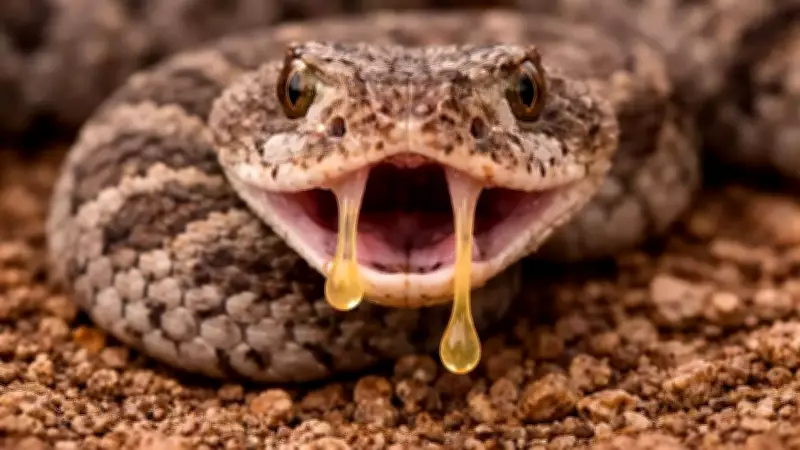
As pit vipers, rattlesnakes possess long, hollow fangs connected to venom glands. These fangs remain folded inside the mouth most of the time. During a strike, they extend like needles to inject venom into prey, then retract back into the mouth afterward.
Rattlesnakes Can Control Their Venom Injection
One of the most intriguing features of rattlesnakes is their ability to regulate venom output during a strike. They can deliver a "dry bite" with little or no venom, often used for hunting rather than defense. This control helps conserve venom for essential purposes.
Their Strikes Are Faster Than Human Reaction Time
Rattlesnake strikes are exceptionally swift, reaching speeds of approximately 3 meters per second. This rapid movement exceeds human reaction capabilities, making it nearly impossible to avoid a bite once the snake attacks. This underscores the importance of maintaining a safe distance from these reptiles.
Many Rattlesnakes Hibernate Together in Large Groups
During cold months, rattlesnakes enter a dormant state called brumation, similar to hibernation. Instead of isolating themselves, they gather in large groups within dens. In some cases, hundreds of rattlesnakes share a single den, which provides stable temperatures to protect them from harsh winter conditions.
Rattlesnakes Give Birth to Live Young
Unlike many snake species that lay eggs, rattlesnakes are ovoviviparous. They retain eggs inside the mother's womb until hatching, then give birth to live young. A single litter can include 5 to 20 baby snakes, each equipped with functional rattles and venom glands for immediate self-defense.