Republic Day 2026: A Detailed Guide to Flag Unfurling vs Hoisting
As India prepares to celebrate its 77th Republic Day on January 26, 2026, understanding the distinct ceremonies of flag unfurling and hoisting becomes essential for every citizen. These two practices, often confused, carry deep historical and symbolic meanings that reflect the nation's journey and constitutional values.
The Fundamental Difference: Unfurling vs Hoisting
The primary distinction lies in the flag's starting position and the ceremonial approach. Flag hoisting involves raising the flag from a folded or bundled state at the bottom of the pole to the top. This ceremony is traditionally associated with Independence Day on August 15, symbolizing the nation's rise from colonial rule to sovereignty.
In contrast, flag unfurling occurs when the flag is already tied at the top of the pole in a bundled form and is opened or "unfurled" without being raised. This practice is specifically reserved for Republic Day celebrations, marking the adoption of the Constitution and India's status as a sovereign republic.

Historical Context and Symbolic Significance
The choice between these ceremonies is rooted in India's historical timeline. On August 15, 1947, India achieved independence, and the flag was hoisted for the first time as a free nation. This act represented the culmination of the freedom struggle and the beginning of self-governance.
Republic Day, commemorated on January 26, 1950, honors the day the Constitution of India came into effect, transforming the country into a democratic republic. The unfurling ceremony symbolizes that the nation is already established and sovereign, with the flag merely being revealed to celebrate its constitutional foundation.
Ceremonial Protocols and Observances
Both ceremonies follow strict protocols to maintain dignity and respect for the national flag:
- Republic Day Unfurling: The President of India unfurls the flag at Kartavya Path in New Delhi. Since the flag is already at the top, the ceremony focuses on unveiling it, often accompanied by a 21-gun salute and the national anthem.
- Independence Day Hoisting: The Prime Minister hoists the flag at the Red Fort, raising it from the bottom to the top. This is followed by the Prime Minister's address to the nation.
These differences extend to state and local celebrations, where officials replicate the appropriate ceremony based on the occasion. Citizens are encouraged to participate by displaying the flag at homes and institutions, adhering to flag code guidelines.
Why This Distinction Matters for Republic Day 2026
As Republic Day 2026 approaches, recognizing these nuances fosters a deeper connection to national heritage. The unfurling ceremony reminds citizens of India's constitutional values, including justice, liberty, equality, and fraternity. It serves as a moment to reflect on democratic principles and the responsibilities of citizenship.
Educational institutions and community groups often use this occasion to teach younger generations about flag etiquette and historical significance. By understanding the symbolism behind unfurling versus hoisting, Indians can appreciate the layered meanings of their national celebrations.
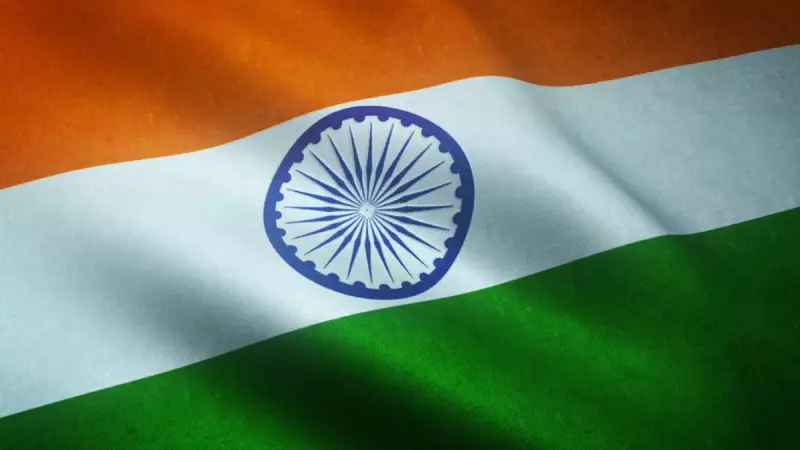
In summary, while both ceremonies honor the Tiranga, their methods and meanings are tailored to specific historical events. Republic Day 2026 will once again highlight the unfurling tradition, reinforcing India's identity as a vibrant republic committed to its constitutional ideals.