Reviving Patna Kalam: A Collective Responsibility for Art Heritage
In the heart of Bihar, a significant cultural revival is taking shape as efforts intensify to bring back the glory of Patna Kalam, a distinctive 18th-century painting style that originated in the region. This artistic tradition, known for its intricate details and vibrant depictions of daily life, has faced decline over the years, prompting calls for collective action to ensure its preservation and promotion.
The Historical Significance of Patna Kalam
Patna Kalam emerged during the late Mughal period and flourished under the patronage of local rulers and European traders. Characterized by its miniature scale and focus on secular themes such as festivals, markets, and court scenes, this style represents a fusion of Indian and Persian influences. Unlike other classical Indian art forms, Patna Kalam often depicted ordinary people and their routines, making it a valuable record of social history.
Art historians note that the style gained prominence in the 18th and 19th centuries, with artists producing works that were highly sought after by collectors. However, with changing political landscapes and reduced patronage, the practice dwindled, leaving only a few practitioners and scattered artworks in museums and private collections.

Current Revival Initiatives
Recent initiatives led by cultural organizations, artists, and government bodies aim to breathe new life into Patna Kalam. Key efforts include:
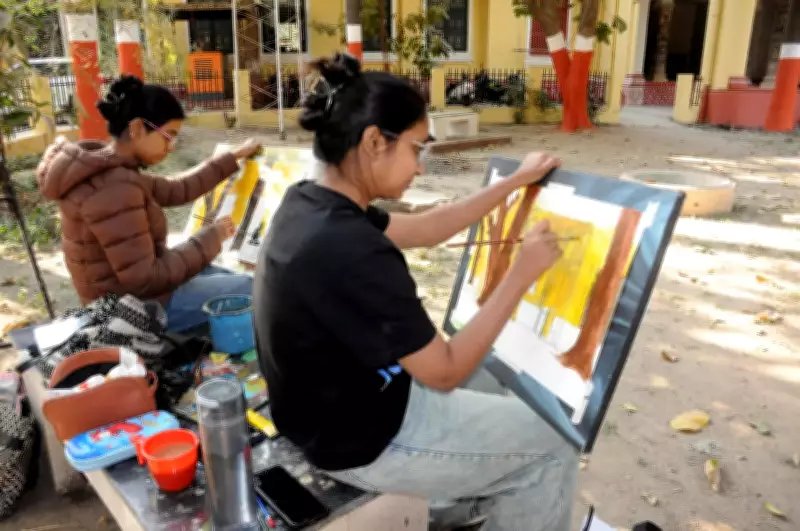
- Workshops and Training Programs: Organizing sessions to teach the techniques of Patna Kalam to young artists and students, ensuring the transfer of skills to future generations.
- Documentation and Research: Compiling historical records and analyzing existing artworks to create a comprehensive archive of the style's evolution and methods.
- Exhibitions and Promotions: Hosting exhibitions in Patna and other cities to showcase Patna Kalam pieces, raising public awareness and appreciation.
- Collaborations with Institutions: Partnering with universities and art schools to integrate Patna Kalam into academic curricula, fostering scholarly interest.
Experts emphasize that these steps are crucial not only for preserving an artistic legacy but also for boosting local tourism and cultural identity. By highlighting Patna Kalam, Bihar can position itself as a hub for traditional arts, attracting visitors and researchers alike.
The Role of Community in Preservation
The revival of Patna Kalam is not solely the responsibility of institutions; it requires active participation from the community. Local artists, historians, and residents are encouraged to contribute by:
- Sharing family heirlooms or knowledge related to Patna Kalam for documentation purposes.
- Supporting local artisans by purchasing their works or promoting them through social media and word-of-mouth.
- Participating in public discussions and events focused on cultural heritage to build a broader consensus on preservation needs.
This collective approach ensures that the revival efforts are sustainable and rooted in grassroots engagement, rather than being top-down impositions. As one art activist noted, "Patna Kalam belongs to the people of Bihar, and its survival depends on their willingness to cherish and propagate it."
Challenges and Future Prospects
Despite the enthusiasm, challenges remain in reviving Patna Kalam. These include a lack of funding for large-scale projects, limited public awareness outside academic circles, and the need for modern adaptations to make the art form relevant to contemporary audiences. Addressing these issues will require continued advocacy and innovative strategies, such as digital archiving and online workshops to reach a wider audience.
Looking ahead, the success of Patna Kalam's revival could serve as a model for other endangered art forms across India. By fostering a sense of pride and ownership among locals, this initiative not only safeguards cultural heritage but also enriches the national artistic landscape. The journey to revive Patna Kalam is a testament to the power of collective responsibility in preserving history for future generations.