Roman-Era Treasure Trove Unearthed in German Forest: 450 Silver Coins Reveal Ancient Secrets
For decades, the serene fields and dense forests of Northern Germany have concealed remarkable historical secrets beneath their tranquil surface. In a recent groundbreaking discovery near Borsum, archaeologists have unearthed what is being hailed as one of the most significant Roman-era hoards in the region, bringing to light a collection that whispers tales from nearly two millennia ago.
A Remarkable Archaeological Find
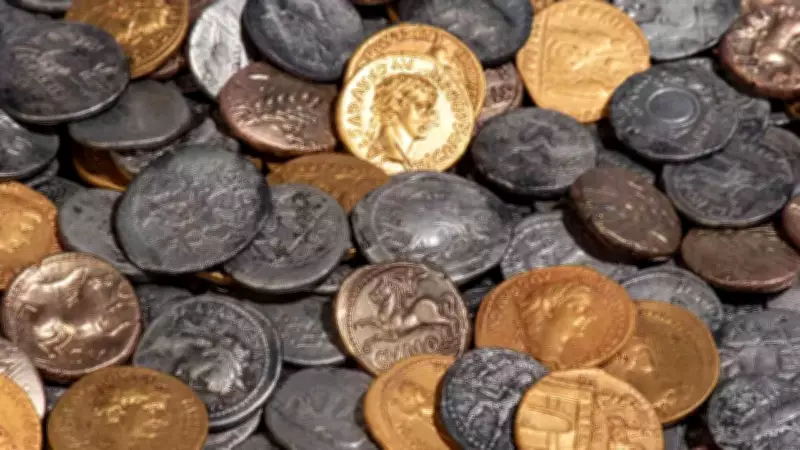
The discovery includes an impressive assemblage of 450 silver coins, accompanied by a single gold coin, a finely crafted ring, and several silver bars. While the hoard might appear modest in physical size, its historical importance is truly monumental. According to experts cited by Earth.com, this treasure offers a rare window into the complex dynamics of trade, conflict, and daily existence at the northern periphery of the mighty Roman Empire.
What the Borsum Hoard Reveals About Roman Times
The archaeological sweep that led to this discovery was meticulously led by Sebastian Messal, the regional department head at the Lower Saxony State Office for Monument Preservation. Messal emphasizes that this hoard represents far more than mere buried wealth. In ancient times, individuals often concealed their valuables underground as a protective measure against theft, social unrest, or impending invasions, preferring the security of the earth to the risks of carrying precious items.

Currently, the archaeological team is engaged in a painstaking process of cleaning and examining each coin and bar. They are paying close attention to inscriptions, mint marks, and signs of wear, which are crucial for piecing together the historical puzzle. These minute details may help identify the emperors who ruled during the period when the hoard was buried, providing valuable clues about the timeline and context of the deposit.
Metal Detecting in Lower Saxony Uncovers Hidden Roman Treasures
Metal detecting activities in Lower Saxony are subject to strict regulations, requiring specialized training and official permits to ensure archaeological integrity. Initial excavations at the site reportedly disturbed some of the contextual evidence, but archaeologists subsequently returned to recover additional coins, allowing them to reconstruct the deposit more comprehensively.
Messal notes that despite the early disruptions, sufficient material remains to analyze patterns that could indicate whether the hoard was a short-term savings cache or a long-term accumulation of wealth. The coins and bars are undergoing careful analysis, including non-destructive tests to determine their silver content. The presence of gold artifacts suggests that the hoard may have belonged to individuals of high social status, adding another layer of intrigue to the find.
It is both fascinating and somewhat romantic to consider how a collection of ancient metal objects can forge a tangible connection to lives lived almost 2,000 years ago. This discovery not only enriches our understanding of Roman economic and social structures but also highlights the enduring legacy of archaeological exploration in uncovering the hidden narratives of our shared human history.