

Sacred Fruits in Hindu Mythology: Divine Offerings and Ritual Significance
From the humble Ber offered by Shabri to the mystical Kandmool, Hindu mythology has consistently highlighted the profound importance of fruits, emphasizing how these natural delights have held a sacred place for thousands of years. Mystically intertwined with nurturing and divine qualities, fruits serve as Naivedya offerings to deities and are quintessential elements in many Vedic rituals, making them the most pious offerings for auspicious occasions. Interestingly, the scriptures of mythology feature some of the most unique and mystical fruits that are worth exploring for their spiritual depth.
Kandmool: The Rare Root-Fruit from Ramayana
This sacred fruit is essentially a large, rare root-fruit from the mountains, prominently mentioned in the epic Ramayana. Characterized by a brown exterior and a white, fleshy, crunchy interior, Kandmool is believed to have been a staple food during the vanaprastha (forest exile) of Lord Rama, Sita, and Laxman. While it is a real plant, it remains rare and is not commonly cultivated today, adding to its mythical allure and historical significance in Hindu traditions.
Narikela (Coconut): The God's Own Fruit
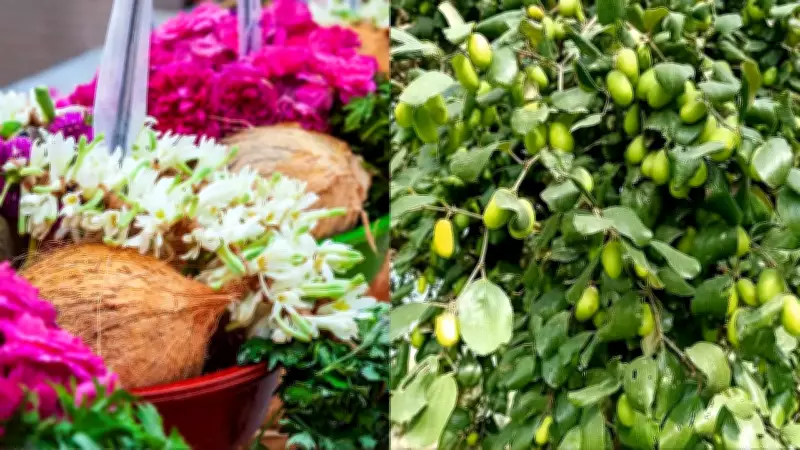
Known as Shriphala or 'God's own fruit' in Sanskrit, the coconut is one of the most revered fruits in Hindu mythology. From being an integral part of Hindu rituals to serving as a common Naivedya in pujas, this fruit holds a special place as a symbol of purity and the cleansing of negative thoughts. Its widespread use in ceremonies underscores its enduring spiritual importance and connection to divine practices.

Pippala Fruit: Sacred Figs from the Ashwatha Tree
The Pippala fruit originates from the Ashwatha tree, which is considered sacred in Hindu beliefs. Mentioned in the Rigveda, this fruit carries deep spiritual and ritualistic significance. While the tree and its small figs are real, their attributed spiritual power and symbolic importance are rooted in myth, highlighting the blend of natural reality and mystical interpretation in Hindu scriptures.
Ber: The Fruit of Devotion from Shabri's Tale
This fruit is famously linked to the story of Shabari, an ardent devotee of Lord Rama. She waited for years to offer the sweetest fruits to him, tasting each one herself to ensure perfection. Lord Rama is said to have accepted her half-eaten offerings with grace. The Ber fruit is real and popular in India, symbolizing unwavering devotion and the purity of selfless service in Hindu mythology.
These fruits not only enrich the cultural and religious tapestry of Hinduism but also remind us of the deep connections between nature, spirituality, and ancient wisdom passed down through generations.






